Beauty, Aspiration, and Commerce: Alfred Cheney Johnston Article in Afterimage
My article on the photographer Alfred Cheney Johnston has been published in Afterimage, the peer-reviewed journal of media arts and cultural criticism issued by University of California Press.
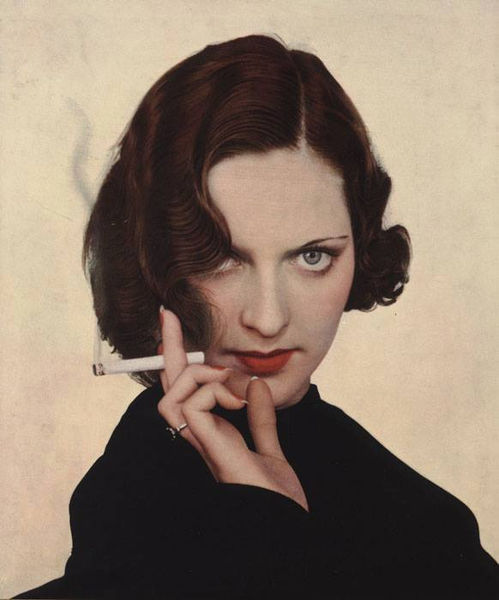
Johnston has drawn remarkably little sustained academic attention for a photographer of his standing, and the article makes an argument that his portraits are not merely period decoration but evidence about how American women were taught to be looked at, and how they learned to look back.
I also consider the widespread popularity of Johnston’s images in the digital age and argue that they remain compelling because of the quiet confidence of his female subjects.
Read the Alfred Cheney Johnston Article
“Beauty, Aspiration, and Commerce: Ways of Looking in the Photography of Alfred Cheney Johnston.” Afterimage 53, no. 3 (2026): 50–69.
Free to read through October 5, 2026. University of California Press has provided a guest-access link that opens the complete article, no subscription required.
After that date the article remains available through the publisher, and the abstract stays open to everyone: view the abstract at UC Press.
What the Article Says About Johnston
Alfred Cheney Johnston (1885–1971) was among the most celebrated photographers of the Jazz Age and remains among the least studied. As Florenz Ziegfeld Jr.’s designated photographer he worked with women already accepted as the standard of American beauty, a freedom that let both sitter and photographer stop trying to prove glamour. Instead, his subjects display a quiet confidence. The article considers that confidence closely: how these portraits hold women as public icons and as modern individuals at the same time.
Johnston worked in the pictorialist tradition and adapted it to commercial advertising and celebrity publicity rather than abandoning it for them. That combination is what the article takes seriously. His studio practice was unusually good at sustaining what I call slow viewing: images made for rapid consumption that nonetheless hold up under the sustained attention we normally reserve for pictures made as art, and that change under it.
When glamour and advertising photography turned more directive and message-driven in the late 1920s and early 1930s, Johnston’s style fell out of popularity, and ultimately out of the art-historical canon. For many years his photographs were considered relics of a bygone era.
What the Article Says About Johnston’s Subjects
The photographs document something larger than a studio: how women’s expanding public visibility in the 1920s took shape inside established systems of commercial promotion. Aspirational visibility is the term for what the pictures offered: a demonstration of how a woman might appear and act in public.
The article ends on the photographs’ digital afterlives, where they now circulate widely online as retro icons of feminine—and often explicitly feminist—appeal.
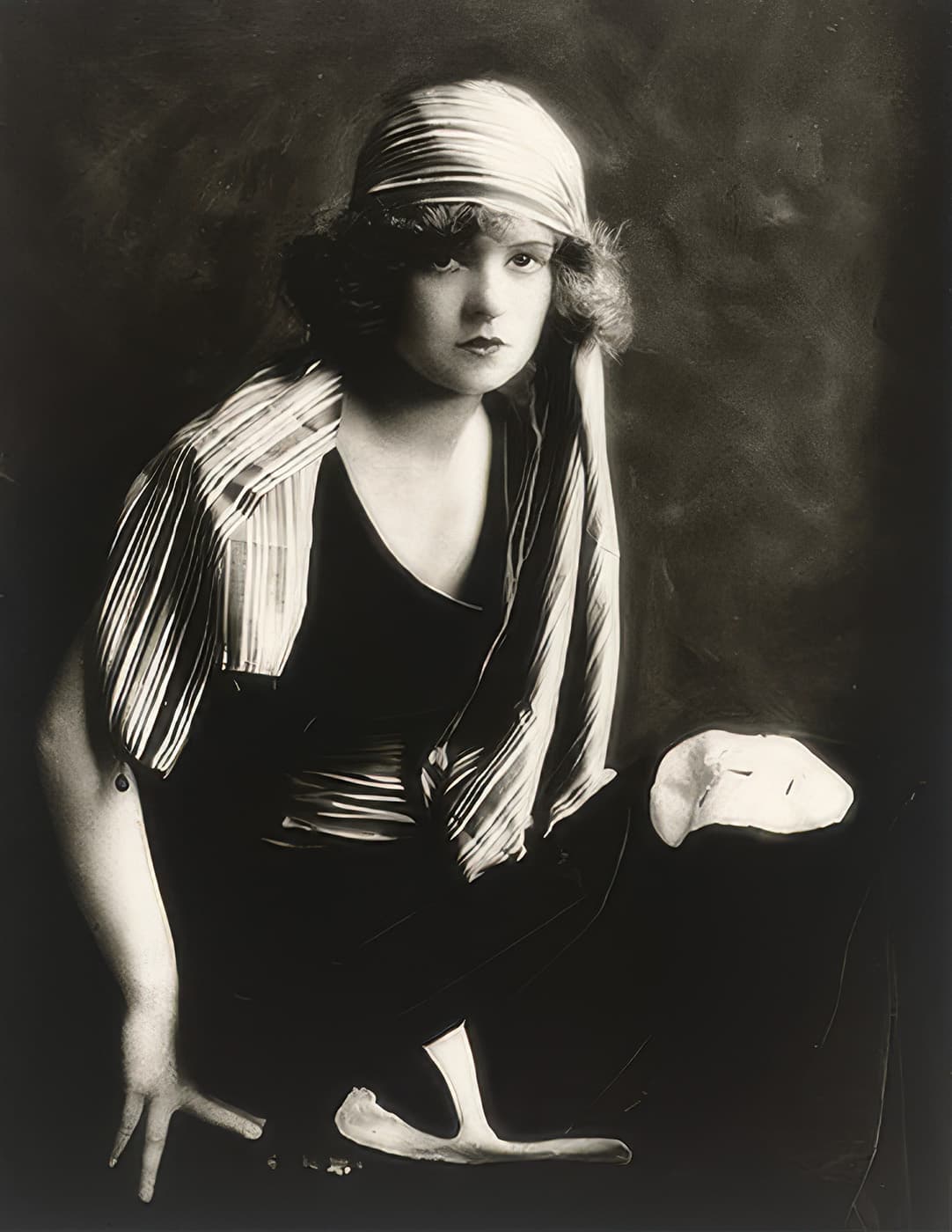
The Clara Bow portrait above is one of the photographs the article considers. I describe it, in part, as follows: “Johnston’s diffused three-quarter lighting, shallow depth of field, and direct presentation of the sitter also create an impression of unguarded candor, with Bow asserting her own individuality.”
How to Cite This Article
ChicagoLeFurgy, Bill. “Beauty, Aspiration, and Commerce: Ways of Looking in the Photography of Alfred Cheney Johnston.” Afterimage 53, no. 3 (2026): 50–69. https://doi.org/10.1525/aft.2026.53.3.50.
MLALeFurgy, Bill. “Beauty, Aspiration, and Commerce: Ways of Looking in the Photography of Alfred Cheney Johnston.” Afterimage, vol. 53, no. 3, 2026, pp. 50–69, https://doi.org/10.1525/aft.2026.53.3.50.
APALeFurgy, B. (2026). Beauty, aspiration, and commerce: Ways of looking in the photography of Alfred Cheney Johnston. Afterimage, 53(3), 50–69. https://doi.org/10.1525/aft.2026.53.3.50
Related Reading on This Site
- Alfred Cheney Johnston—his life, his studio, and a gallery of the portraits.
- Johnston’s 1928 beauty advice—the photographer explaining his own ideas about beauty, transcribed in full.
- Ziegfeld Follies history—the revue that made most of his sitters famous.
- Ziegfeld Girls—who these women were and what the work actually involved.
- Sixteen forgotten silent film stars—every portrait in that piece is a Johnston.
- Marie Stevens, not Marilyn Miller—correcting one of the misattributions that circulate with his photographs online.
The research behind the article draws on my study of Johnston’s photographs and of the Ziegfeld performers and silent-film stars who sat for them. I also maintain a collection of Jazz Age primary sources, transcribed in full.