Alfred Cheney Johnston: The Photographer Who Glorified the Ziegfeld Girl
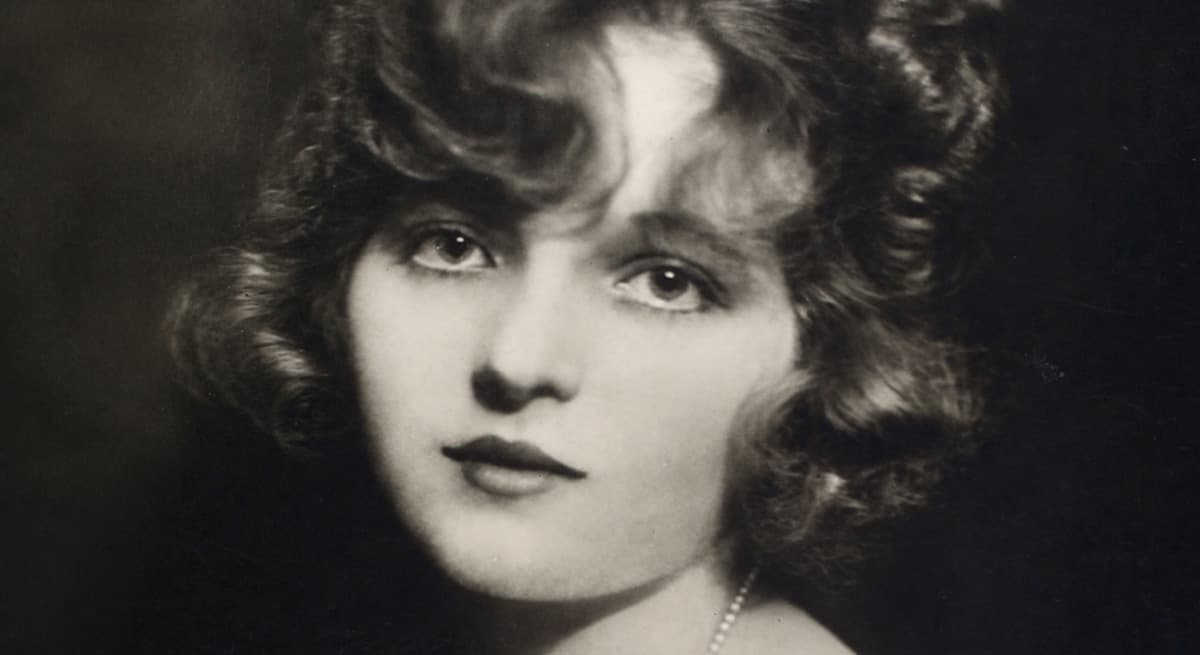
Alfred Cheney Johnston (1885–1971) was the Ziegfeld Follies photographer — the “court photographer” for the showgirls of the Ziegfeld Follies revue. In large part due to this connection, he became one of the most famous photographers in America during the 1920s Jazz Age.
Johnston’s story includes a slow start, sudden fame, enormous popular success, a long fade into obscurity, and renewed appreciation in the digital age.
Who Was Alfred Cheney Johnston? From Painting to the Ziegfeld Follies
Johnston grew up in Westchester County, the son of a bank clerk, and graduated from the National Academy of Design in 1908 intending to paint portraits. He failed to establish himself in that practice and turned to the camera.

According to David S. Shields’s Broadway Photographs, Johnston initially worked, without credit, at a major New York photography studio (perhaps Sarony) that catered to the theatrical trade. How Ziegfeld came to hire him is not entirely clear. But shortly after Johnston started photographing the Ziegfeld girls, as Follies performers were known, his photos began appearing in the most influential magazines in the country.
They first appeared in Vanity Fair in the summer of 1917, and his photographs continued to appear there—as well as in publications such as Vogue, Photoplay, and Harper’s Bazaar—through the 1920s. Remarkably, his early published photographs compare favorably with the best work of his career.
He used the pictorial photographic method, which involved carefully posed subjects, soft focus, and artful use of lighting to create light and dark contrasts. Pictorialism came naturally to Johnston, because it was similar in style and composition to his original interest in painting.
It was also the dominant approach used by most portrait photographers of the time, although practitioners varied in the degree to which subjects (often women) were shown in the context of aesthetic effect. Some photographers rendered women as distant figures marked by an impersonal elegance. Others emphasized high fashion and refinement rather than personal presence. Among his competitors, Johnston’s work stood apart for its persistent attention to the sitter as both a glamorous image and a socially legible individual.
How the Ziegfeld Follies Photographer Worked
After becoming the official photographer for the Ziegfeld Follies in 1917, Johnston rented a third-floor space at 57 West 57th Street in Manhattan. It had a skylight, which he prized as the main lighting source. He converted the bathroom into a darkroom and processed glass plates in the bathtub. This was a step up from how he worked before, when he developed his prints in his mother’s kitchen.
He also bought his first camera, a very large model that accommodated 11 × 14-inch glass-plate negatives. Their size made it easier to retouch portrait backgrounds, often rendering them with a velvety texture that highlighted the sitter in the foregroun

d. This large format also allowed Johnston to make “oversized” prints that stood in favorable contrast to the more commonly available 8 × 10-inch (or even smaller) prints that circulated commercially.
Johnston was also granted remarkable artistic freedom. “I was never concerned with the regular on-stage publicity shots,” he said later. “My assignment was to make artistic photographs of the girls—without any relation as to how they might appear onstage.” That meant he could work to capture the sitter as a private individual rather than a performer acting on stage.
He also strove to establish a personal relationship with his subjects, although he regarded himself as entirely in charge. Some women, he said, were obedient subjects and others were rebellious and had to be firmly managed. A 1931 newspaper profile cited his “understanding of feminine psychology” as a key to his success.
Johnston was very good at putting his sitters at ease, and he was popular with the women he photographed. This carried over to the photographs themselves, which commonly depict subjects who appear relaxed and at ease in front of the camera. They are not working to “prove” beauty; rather, they appear remarkably confident in a natural, appealing manner. Johnston’s aim was, of course, to produce glamorous images highlighting the beauty of his subjects—in modern terms, he wanted to objectify them. But his method of working also allowed the individuality of his sitters to shine.
Why Ziegfeld Girls Wanted to Be Photographed by Johnston
Being photographed by Johnston was an important career move. Marcelle Earle, who performed in the Follies, stated things plainly in her memoir: Johnston was the photographer, and only selected beauties were sent to him. A 1927 newspaper item observed that one was always hearing about some young woman who traced her success back to pictures Johnston had made of her. A Johnston portrait of Gray heads Ziegfeld’s own 1923 newspaper series on beauty, in which he tells ordinary readers how to acquire the look Johnston photographed.
The same year, Collier’s reported that Ziegfeld relied almost implicitly on Johnston’s judgment about new candidates for beauty honors. By 1931 a paper was calling him one of the leading arbiters of beauty in the country.
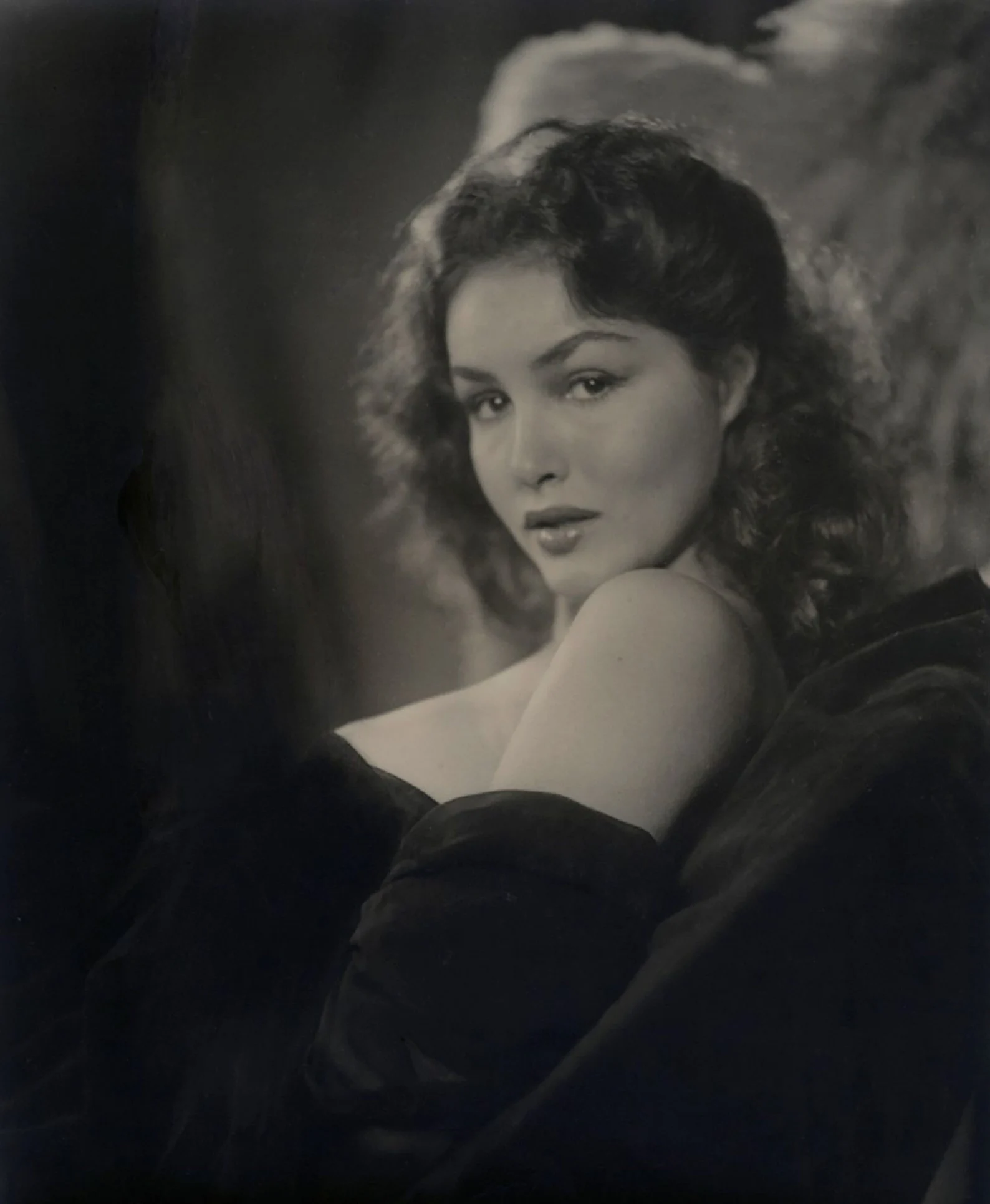
This meant that women came to him hoping for something specific.
Around the end of the First World War, an aspiring dancer named Helen Jesmer turned up at his studio without an appointment saying she wanted to be in the Follies. He photographed her and wrote to Ziegfeld directly—which led to her appearing in the Follies of 1919. Years later she brought her daughter to be photographed by the same man—Julie Newmar, who remembered him as distinguished and later said he saw her in a transcendent light and, “God help us, we become known.”
A blunter version survives in a letter from 1938, when Johnston’s career was already fading. A woman signing herself Jeanie wrote to him proposing to pose in exchange for prints rather than a fee. She had turned down the chorus line and had other modeling offers, she said. She wanted to use the pictures to win an opportunity to sing for “those old millionheirs”—her spelling—and possibly to secure a thousand-dollar loan. It is an unembarrassed piece of writing, and it captures something typically unspoken: the photographs were currency that could be used in pursuit of advancement.
Johnston’s Private Nude Studies
A large body of Johnston’s surviving work consists of nude and semi-nude studies, which were not publicly exhibited in his lifetime. They were probably made for private circulation, but are now among the most widely reproduced of his photographs.
The subjects in these photographs include identified women who went on to film and Broadway stardom. But the majority of the nude studies are of unidentified women.
Why he made them (and why the women agreed to appear in them) is a genuinely open question. I’ve taken it up separately in why Alfred Cheney Johnston made his nude photographs, and present a gallery of twenty of them.
Johnston’s 1928 Syndicated Beauty Column

In 1928 he wrote a syndicated newspaper column dispensing beauty advice, billed as “A New Feature for Women Readers” and touting him as one of the great connoisseurs of beauty. The advice was painterly and tied to classical art. “Gainsborough Blondes,” he instructed, had to be unusually careful with make-up, and should keep the hair long at the sides so the jawline was partly hidden and the cheekbones stood out.
He was also very much a man of his time with a conventional view of gender. In a 1931 interview, he said that “men like daintiness and delicacy about a woman,” adding that a woman who did not demonstrate those qualities risked losing male respect. “The girl who is promiscuous with her charms isn’t going to make a man regard her as anything but the plaything of the moment,” he said. “There is nothing about her to make him think of wanting to possess her for all time. She doesn’t make any appeal to his nature.”
Dobbs Hats, The Great Gatsby, and the Advertising Man Who Was “Hopeless”
Johnston made a great deal of money from advertising. His photographs sold cigarettes, silk, silverware, exercise machines and hats. His long campaign for Dobbs hats ran through the popular magazines all through the 1920s, and the ads carry not just his credit but his signature, which is an artistic claim.

There is a literary footnote here. One scholar argues that when, in The Great Gatsby, Daisy Buchanan calls Gatsby “the advertisement of the man,” the advertisement in question may be a full-page Dobbs ad built on a Johnston photograph that ran in Time magazine in 1924—not, as is usually assumed, the Arrow Collar Man. The Johnston image has the specific quality that F. Scott Fitzgerald had Daisy reaching for: a man who looks cool and relatable without visible effort.
But Johnston was too slow and old-fashioned for some advertising agencies. In 1927 the J. Walter Thompson agency decided against hiring him because he was “hopeless for anything except what he already did”—posing and lighting his female subjects so carefully that it took him two weeks to produce two photographs worth considering.
Johnston was one of the most successful advertising photographers of the 1920s, but as advertising began favoring speed and a more impersonal approach later in the decade, he found himself unsuited for the work.
A Study in Color: The 1934 Comeback That Fell Short

In 1934 Johnston participated in a New York exhibition sponsored by the National Alliance of Art and Industry and Photographic Illustrators, framed as a showcase for commercial photographers. With his black-and-white pictorialist style falling out of fashion, he used the exhibition to show something new: a work in color.
His “Study in Color” is a portrait of the former Follies performer Dorothy Flood, made both as a carbro print and as a photogravure from color separations, which was technically demanding work at the time. It looks very different from his prior output. The focus is crisp, the angle is dramatic, the eyes and lipstick are aggressively saturated, and Flood stares straight out over a severe black sweater with her hair in hard waves. The look is boldly assertive rather than the quiet confidence of his black and white studies.
Johnston produced at least several other color photographs, including one for the cover of Stage magazine in 1935. In spite of this, he fell out of style and retired in 1940.
Alfred Cheney Johnston in Retirement
In March 1951 Popular Photography ran an article titled “The Amateur Who Glorified the Ziegfeld Girl.” The article admires Johnston’s past work but positions him as striving “to recapture in photography the mood at least of his triumphs.”

Johnston described himself before his Ziegfeld Follies commission as an amateur, in that he was unknown, making little to no money as a photographer. Getting the commission was a tremendous stroke of luck, although the magazine is careful to frame the matter. “Lest anyone misread this flight to fame as a fluke, it should be made clear that Johnston delivered the goods,” it reads. “When this miraculous opportunity came he was prepared.”
The article recounts how Johnston was crafty enough to insist that Ziegfeld give him a credit for each photograph. That was essential, as every one of his many photographs printed in newspapers and magazines bore his name and led to his rapid rise to fame.
The overall impression is a famous man from yesteryear living in comfortable retirement amid the trappings of his former glory. His studio was equipped with “the very same tapestries, draperies, props and lighting equipment with which he worked through two decades in New York.” The wording is highly complimentary, including the remarkable claim that “Johnston, not Ziegfeld, was the real glorifier of the Ziegfeld girl.”

Also revealed here is his 1920s nickname, “Mr. Drape.” Johnston used fabric drapery to artfully cover some of his nude models, and it came to be his trademark.
“Calls Girlie Pix Today Just Sexy, Not Arty”: Johnston in 1961
In October 1961 a Daily News reporter contacted Johnston, who had been out of the business for over twenty years. The story headline was “Calls Girlie Pix Today Just Sexy, Not Arty.”
He was blunt in his condemnation of modern nude photography. “There is no art in girlie pictures today,” he said. “Cheesecake today is just naked women. My photographs were nudes in the manner of Rubens and other old masters.” Modern lighting, he claimed, gives so much glare that every hair and every eyelash becomes a point of scrutiny. There is no beauty because there is no illusion. Nude photos became merely “a documentary of a girl’s assets.”
Johnston described the exact shift that ended his career: from photographs that withhold and suggest a story to photographs that lay everything out plainly. He praised what he called lack of lighting, which he used to enhance beauty and amplify mystery.
Why Alfred Cheney Johnston Fell Into Obscurity
Faster film, sharper lenses and harder lighting made a new kind of photograph possible: images with immediate emotional impact that could tell a story quickly. In a faster-paced world filled with pictures, compelling photographs that grabbed attention and conveyed a powerful message right away were in demand.
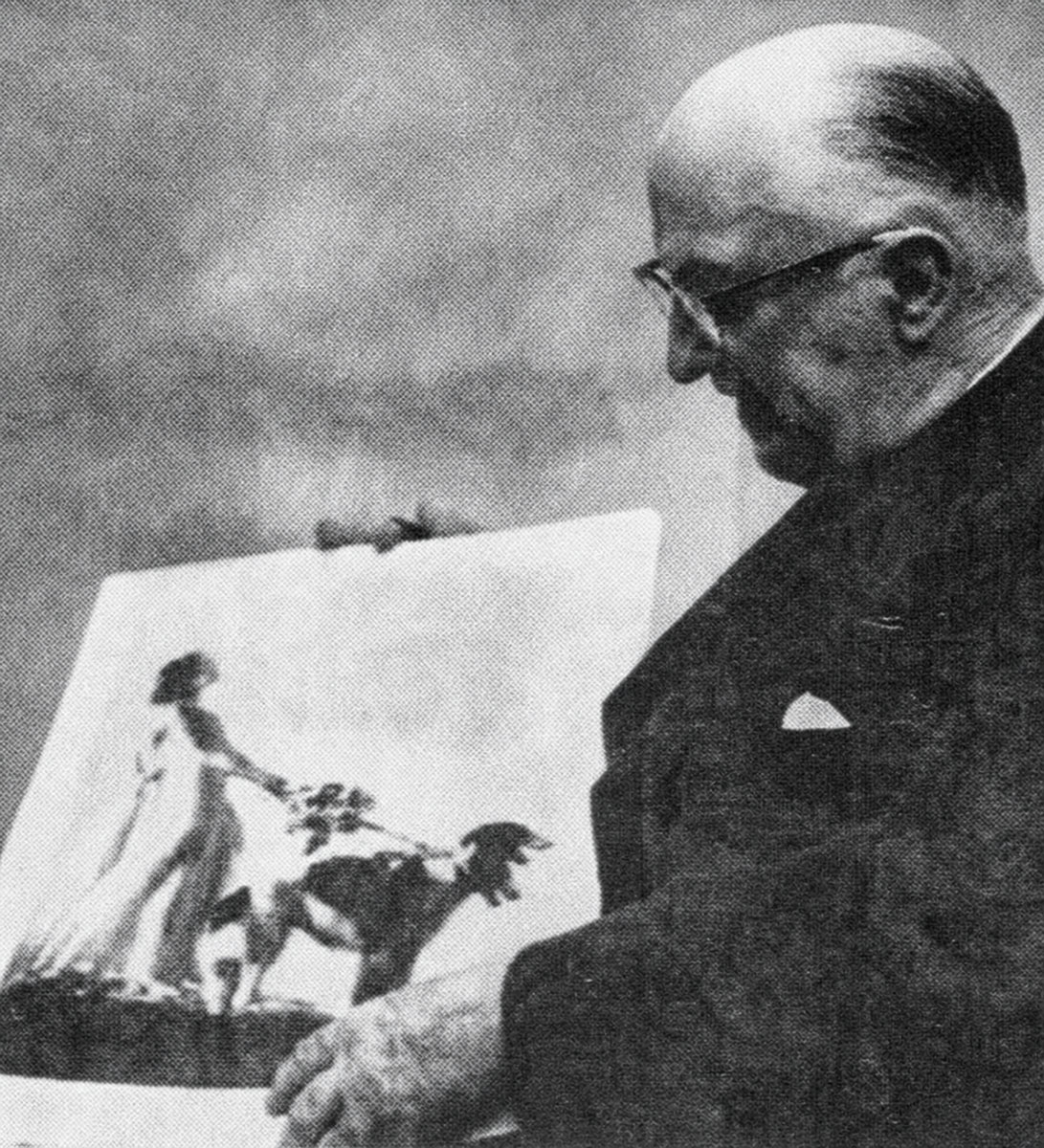
In Hollywood, George Hurrell and others built a visual language of dramatic contrast and assertive sexuality designed to register instantly: glamour as a set of signals. At Vogue and Vanity Fair, Condé Nast hired Edward Steichen, whose hard-edged “straight photography” could turn a model into an aristocrat and a drugstore lipstick into a promise. By 1930 pictorialism was very much on the wane.
Johnston’s pictures ask you to linger. The new, harder-edged style did not need you to. In magazines competing for a glance, the faster photograph wins. The new style also won over much of the high-art world. To artists and critics seeking a visual language for the modern age, Steichen’s sharp geometry and tonal clarity seemed more innovative—and more truthful—than pictorialism’s cultivated softness. This approach to photography seemed better able to capture modern life, with its hard edges, contradictions, and multiple competing messages.
It is said that when Steichen directed the Museum of Modern Art’s photography department, he was not interested in acquiring Johnston’s archive. Reportedly, Steichen did not regard Johnston as an artist. The Library of Congress did ask Johnston for a portion of his work, and he ultimately donated 245 photographic prints. Still, for many years Johnston was regarded as outside the artistic canon.
Why Johnston’s Photographs Are Popular Again
Johnston has been dead for more than fifty years, yet his pictures are perhaps more popular now than ever.

Women have played a conspicuous role in this revival. In 2012, Diana Krall released Glad Rag Doll, a 1920s-themed album with cover photography explicitly designed to evoke Johnston. Krall said she wanted an edgier twist on images she considered beautiful and provocative, and framed the result as a feminist statement. Women-run boudoir studios advertise sessions in his style by name—one offers “Midnight Frolic: 1920s Style Portraits”—and clients arrive seeking the drapery and soft light. Midlibrary even publishes a guide for generating AI images in his manner, while a steady stream of synthetic Johnston-style pictures appears online.
Johnston’s pictures largely disappeared from public view for decades, and something in the present has brought them back. That tells us as much about the present as it does about the photographs.
Johnston constructed the look of his images, and there is no doubt that his primary goal was to present his subjects as beautiful objects. Yet his sitters’ presence—their relaxed confidence—shines through. They seem open and at ease before the camera, with little of the guarded self-consciousness or calculated self-presentation that dominates modern image-making. In an age of aggressively posed and carefully managed images, a picture of a woman who does not appear to be trying too hard to be beautiful is striking—and welcome.
That contrast, I believe, explains why Johnston’s photographs have found a new audience and remain compelling images of confident feminine beauty.
An Alfred Cheney Johnston Photo Gallery
Alfred Cheney Johnston photographed many of the most recognizable performers of the 1910s and 1920s. Best known as Florenz Ziegfeld’s photographer, he created elegant portraits of Ziegfeld girls, Broadway dancers, stage stars, and silent-movie actresses. His extensive list of subjects included Edythe Baker, Hilda Ferguson, Barbara Stanwyck, Louise Brooks, and Gilda Gray, along with Fanny Brice, Ann Pennington, the Dolly Sisters, and other celebrated women of the Jazz Age. Sixteen of Johnston’s portrait subjects — from Renée Adorée to Pearl White — are profiled in 16 Forgotten Silent Film Stars.
The Alfred Cheney Johnston photographs below illustrate the style that made his work famous: carefully posed figures, dramatic lighting, soft focus, elaborate costumes, and an idealized sense of theatrical glamour. Together, these public-domain portraits offer a visual record of Broadway, the Ziegfeld Follies, and silent-era Hollywood. Click any photograph to view a larger version.
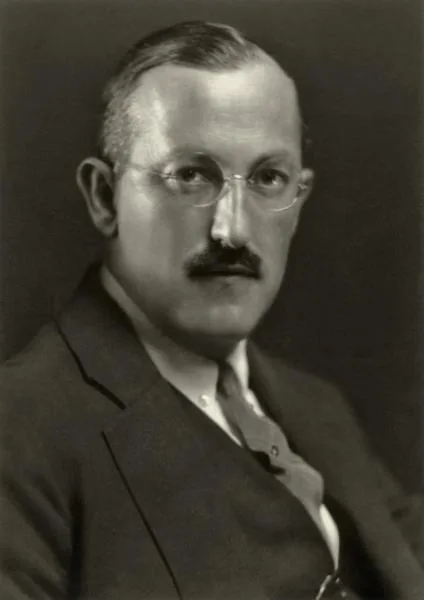 Photographer Alfred Cheney Johnston in 1921. Public domain via Wikimedia Commons.1 / 22
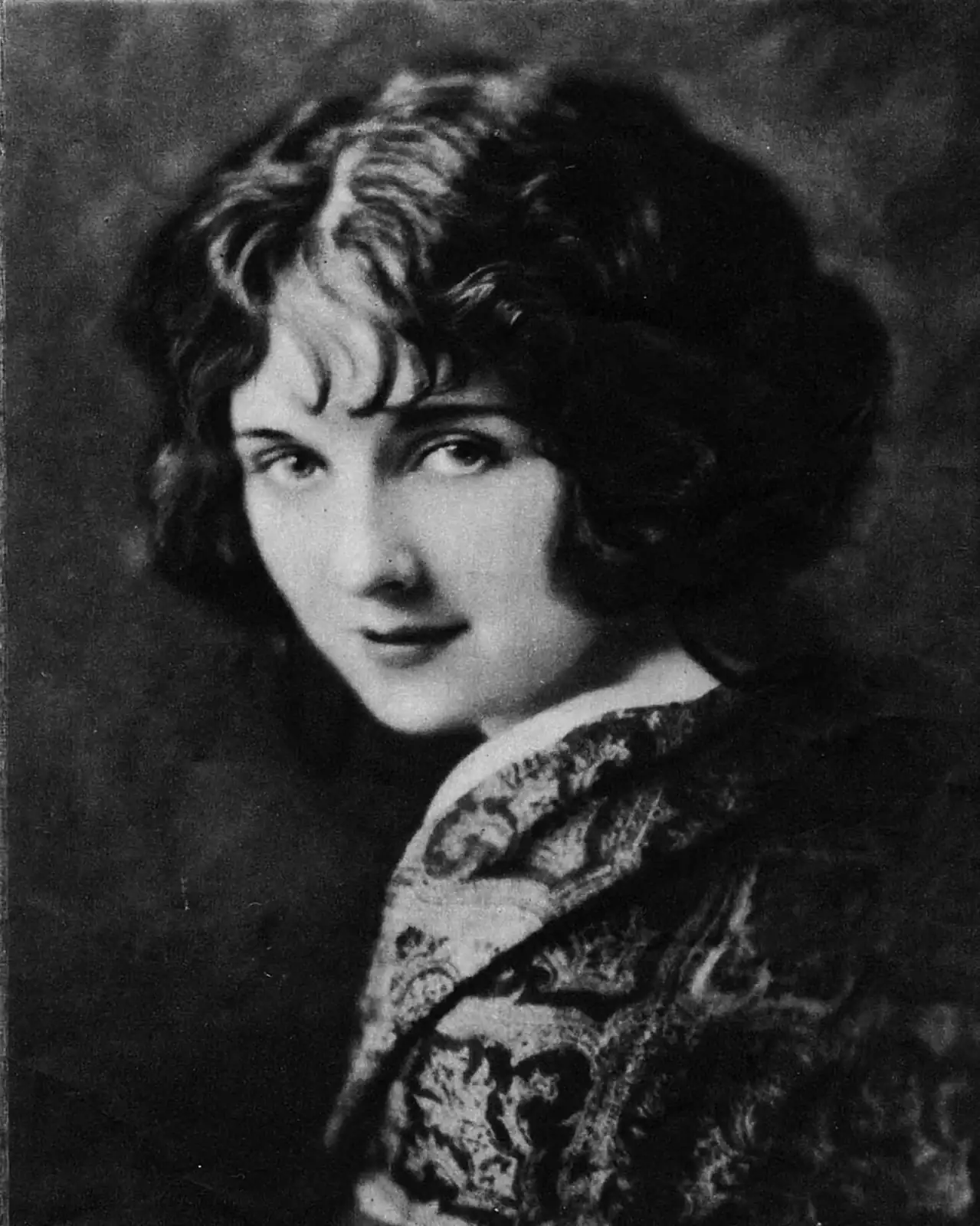 Silent film actress Alice Terry, photographed by Alfred Cheney Johnston in 1923. Public domain via Wikimedia Commons.2 / 22
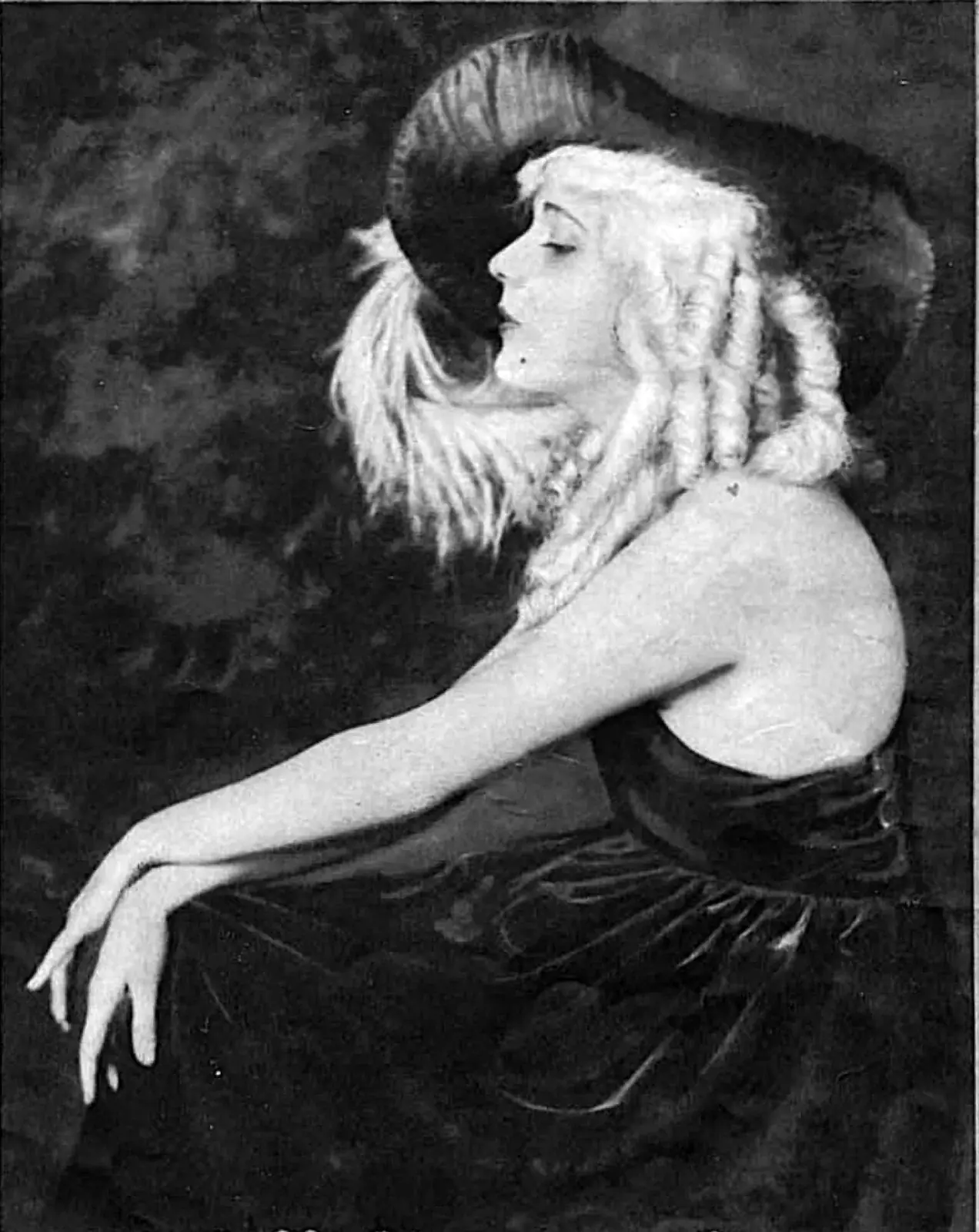 Silent film actress Alma Rubens, photographed by Alfred Cheney Johnston and published in 1923. Public domain via Wikimedia Commons.3 / 22
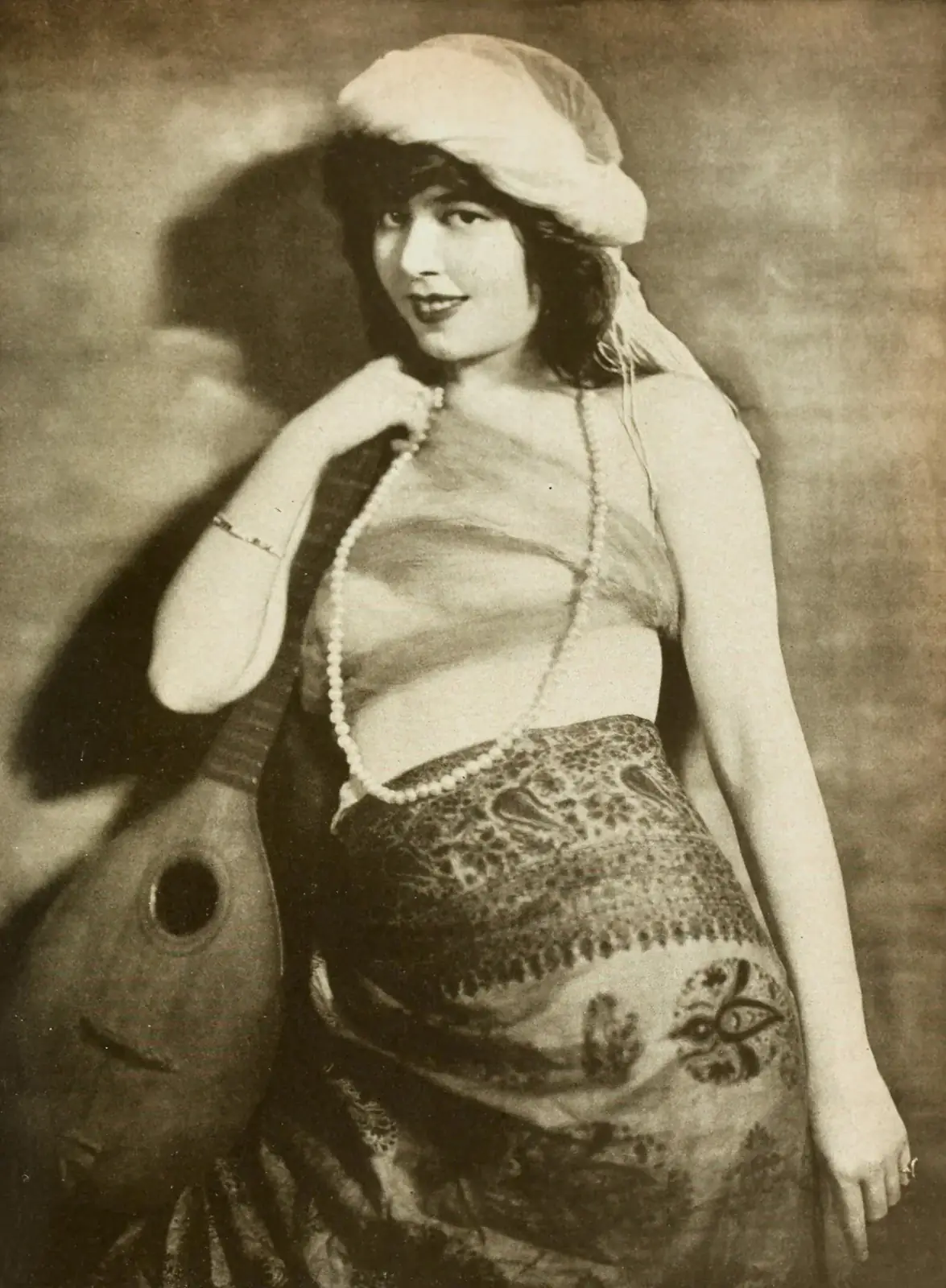 Ziegfeld Follies dancer and actress Ann Pennington, photographed by Alfred Cheney Johnston in 1919. Public domain via Wikimedia Commons.4 / 22
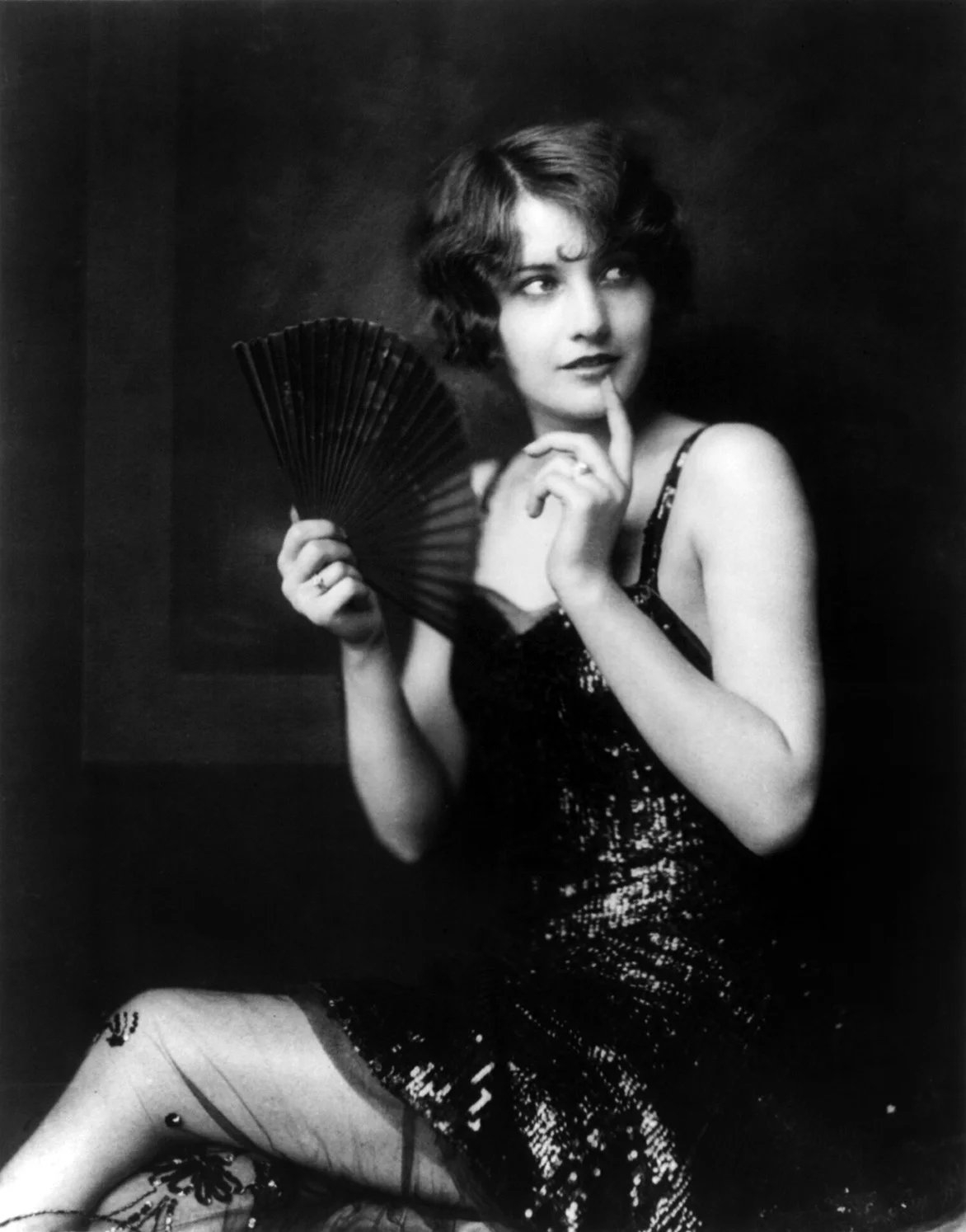 Barbara Stanwyck early in her career as a Ziegfeld girl, photographed by Alfred Cheney Johnston, circa 1924. Public domain via Wikimedia Commons.5 / 22
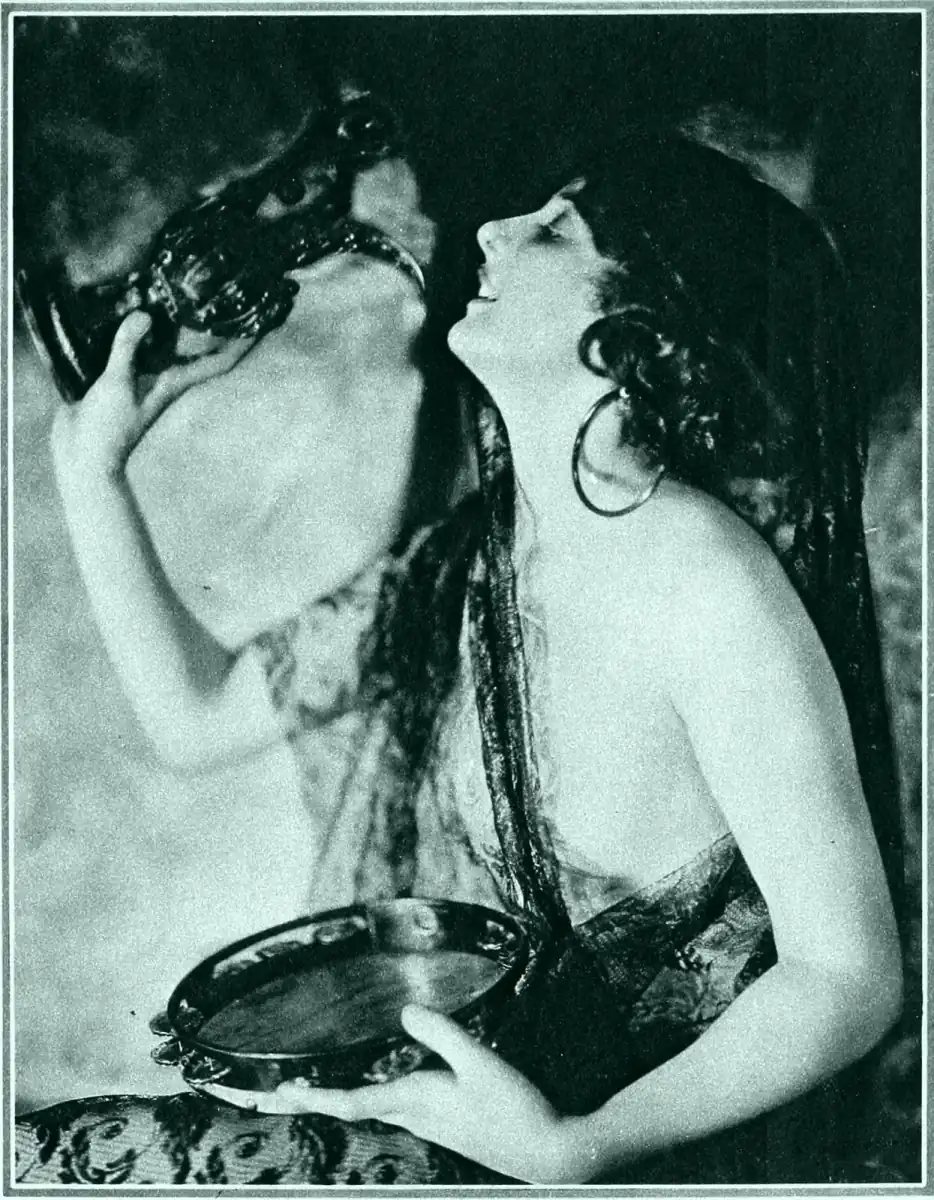 Silent film actress Betty Blythe, photographed by Alfred Cheney Johnston in 1920. Public domain via Wikimedia Commons.6 / 22
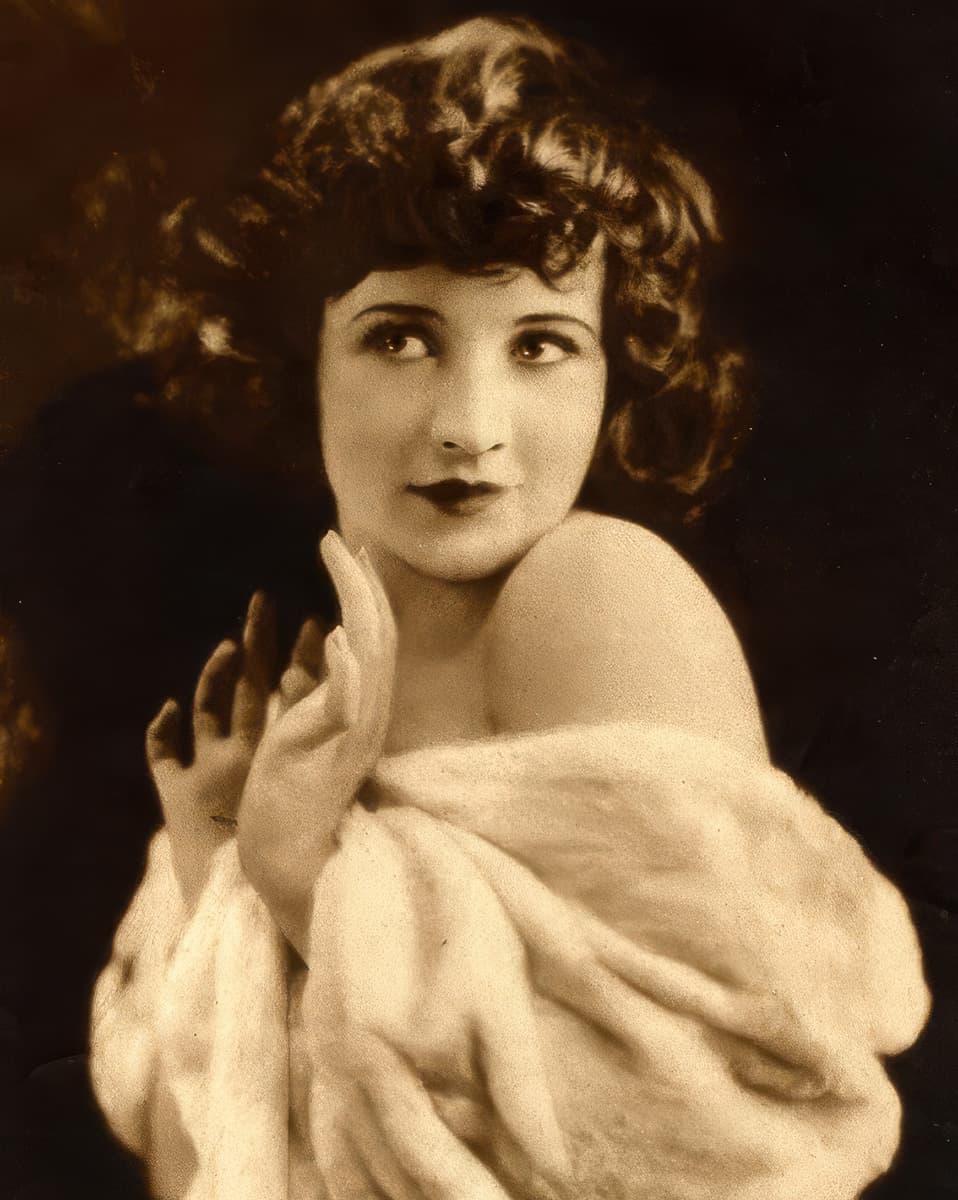 Silent film actress Betty Compson, photographed by Alfred Cheney Johnston in 1920. Public domain via Wikimedia Commons.7 / 22
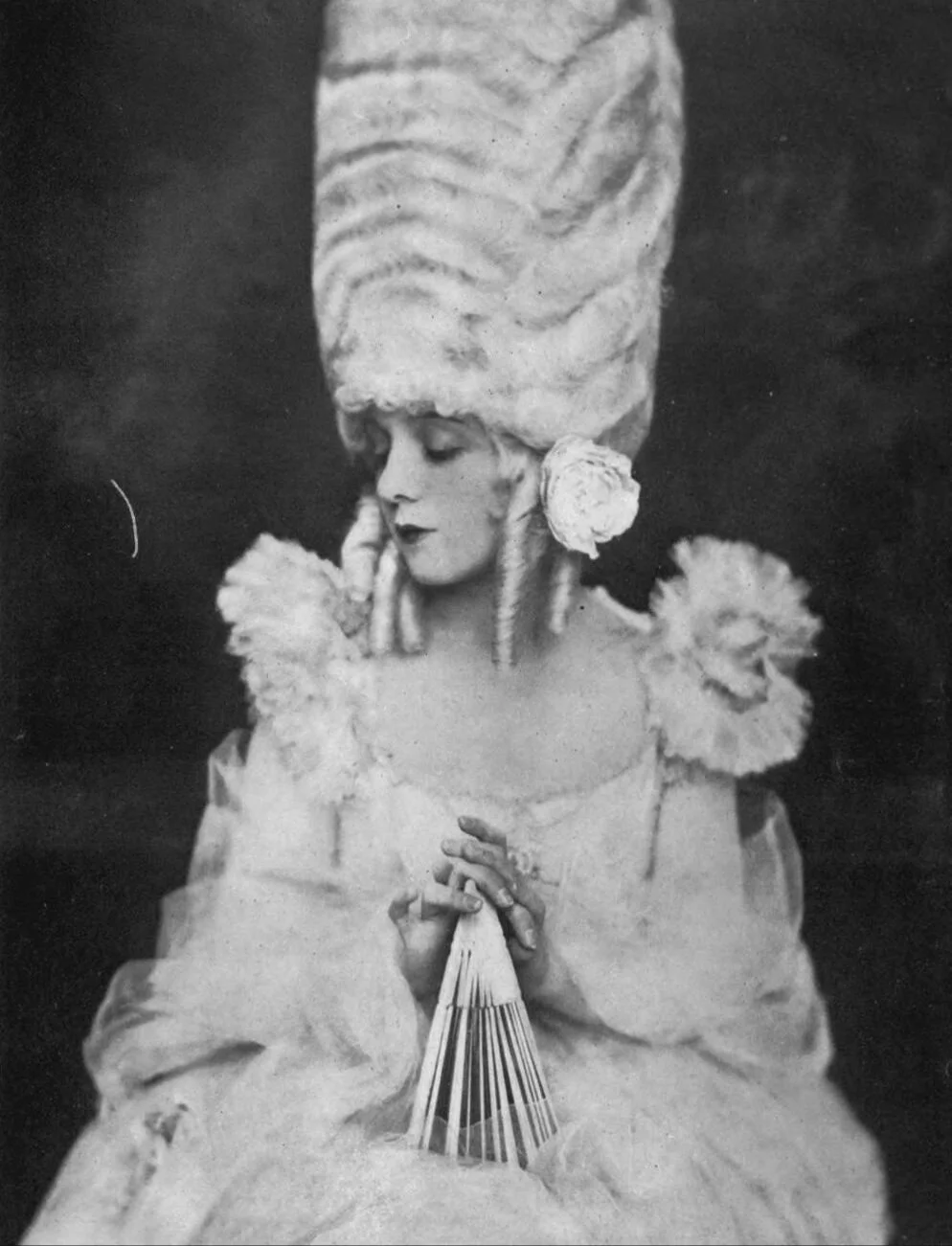 Silent film actress Betty Jewel, photographed by Alfred Cheney Johnston and published in 1922. Public domain via Wikimedia Commons.8 / 22
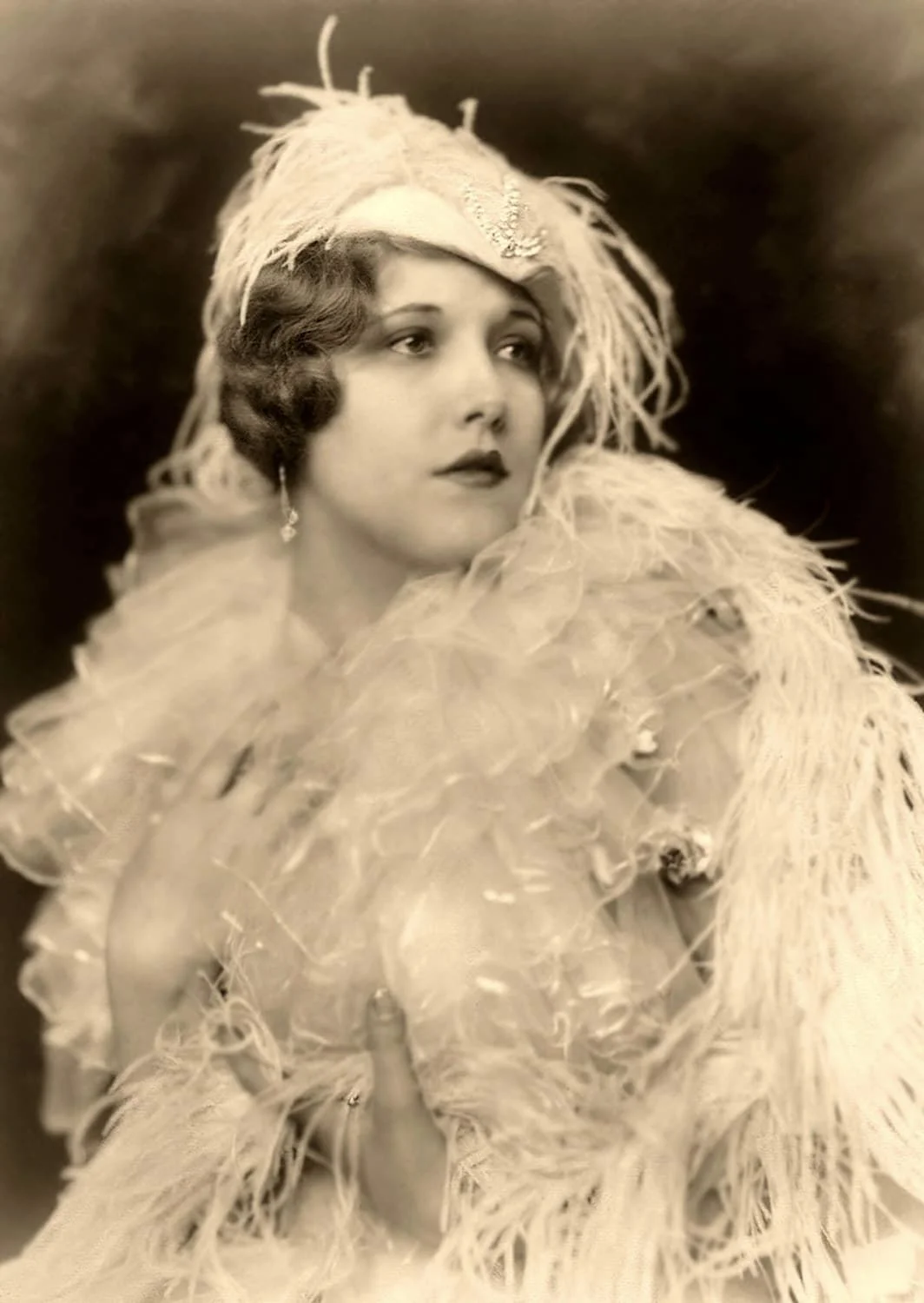 Ziegfeld girl and actress Claudia Dell, photographed by Alfred Cheney Johnston, circa 1927. Public domain via Wikimedia Commons.9 / 22
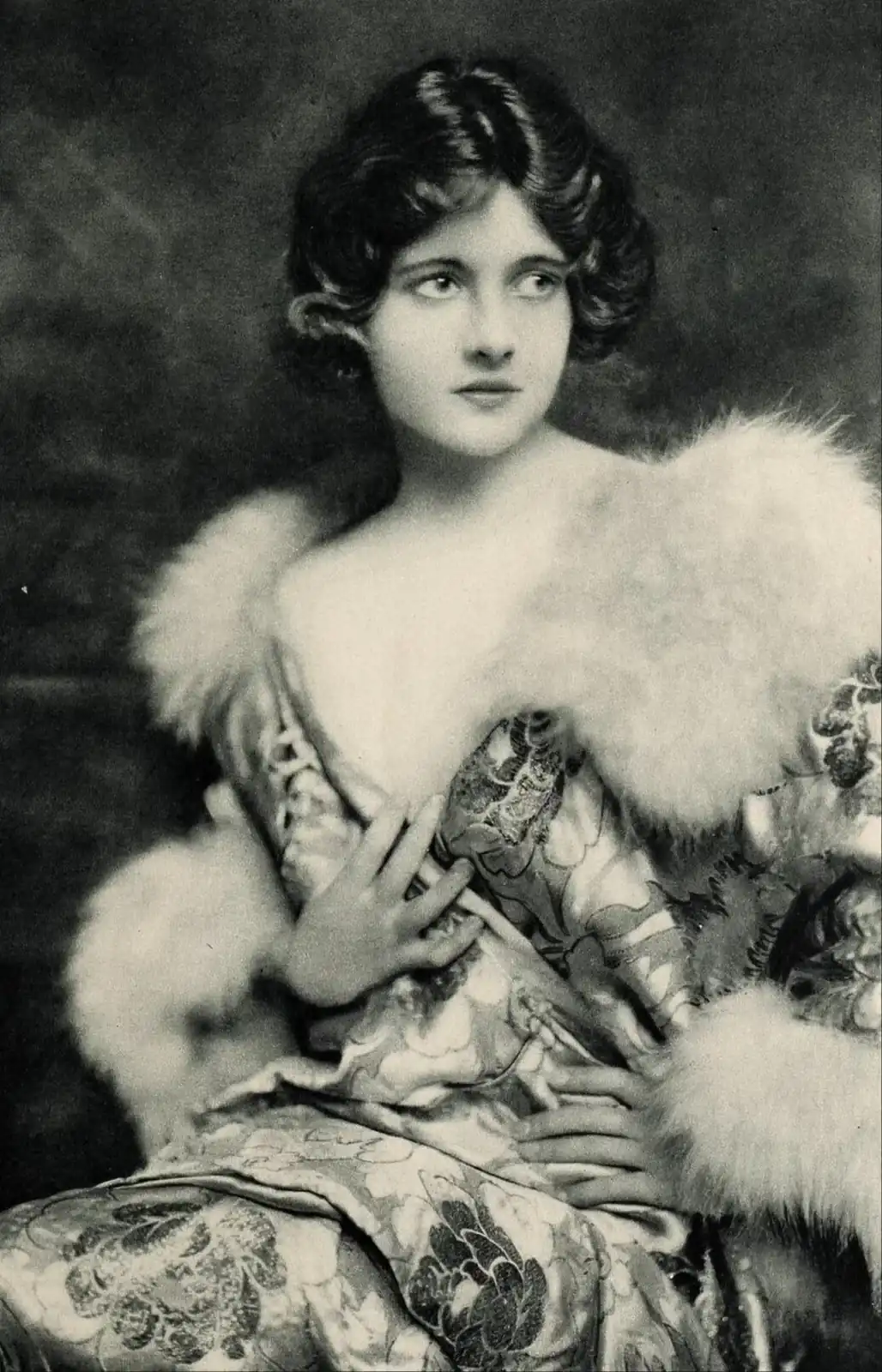 Silent film actress Constance Binney, photographed by Alfred Cheney Johnston in 1919. Public domain via Wikimedia Commons.10 / 22
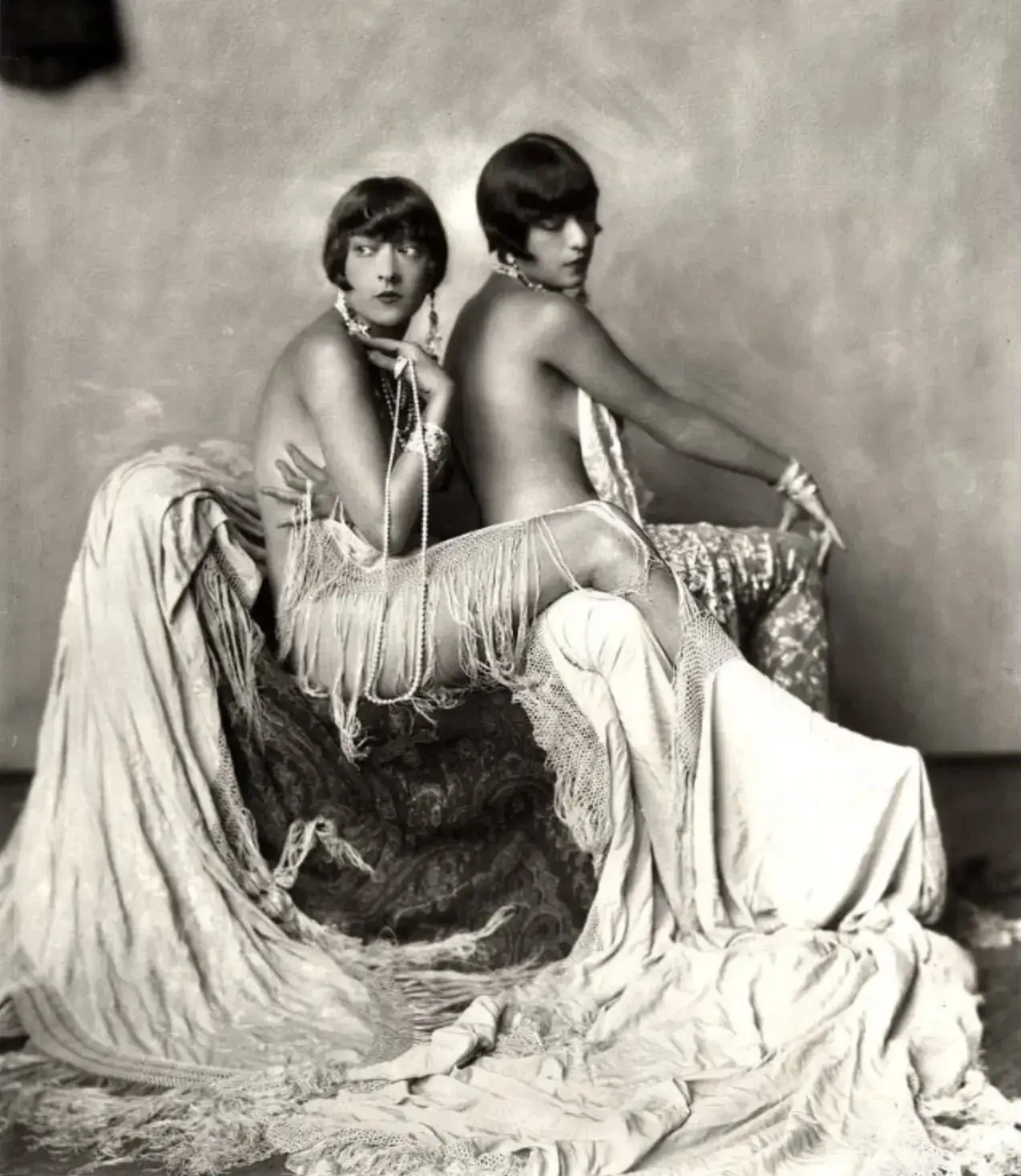 The Dolly Sisters, celebrated dancers and vaudeville stars, photographed by Alfred Cheney Johnston in 1924. Public domain via Wikimedia Commons.11 / 22
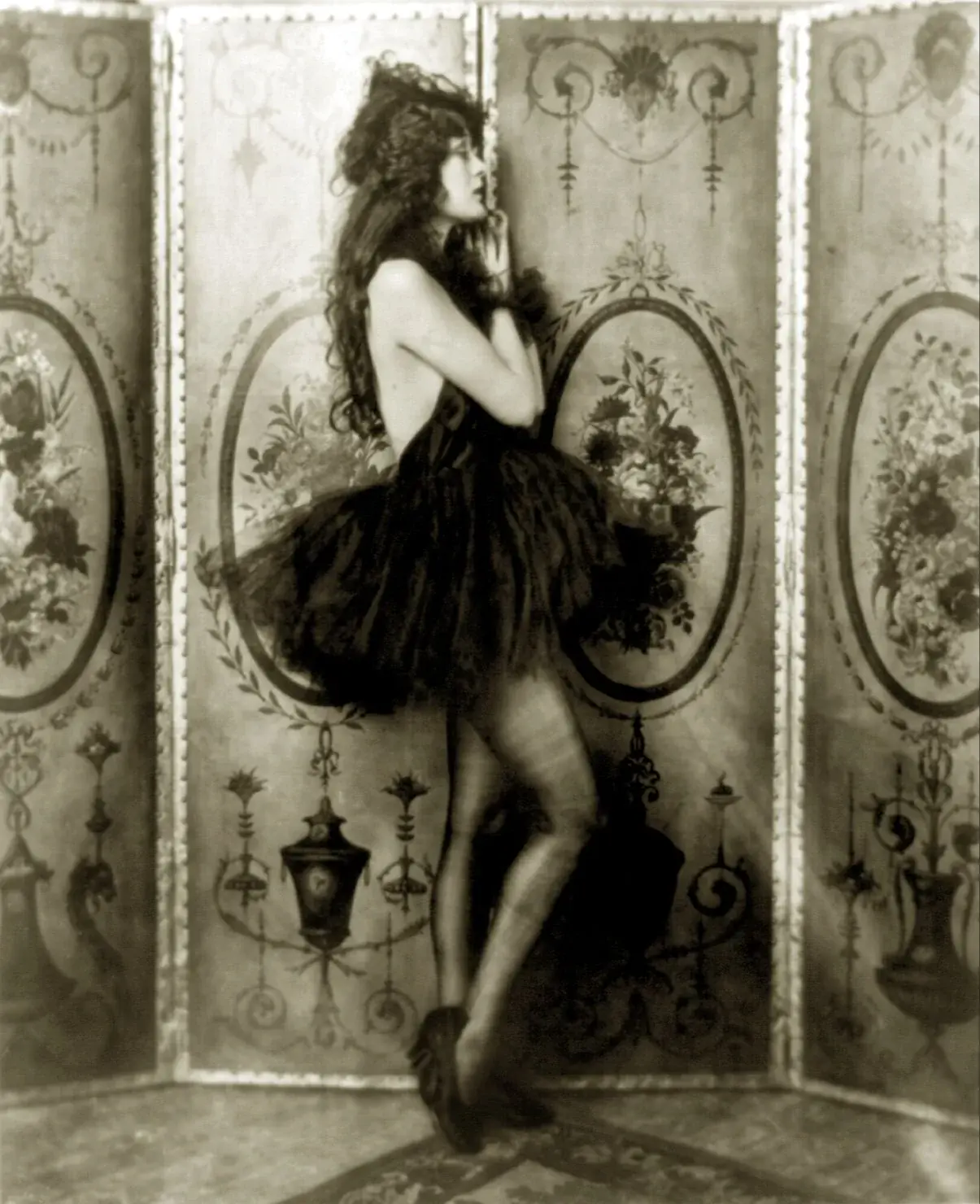 Actress and Ziegfeld girl Dolores Costello, photographed by Alfred Cheney Johnston, circa 1923. Public domain via Wikimedia Commons.12 / 22
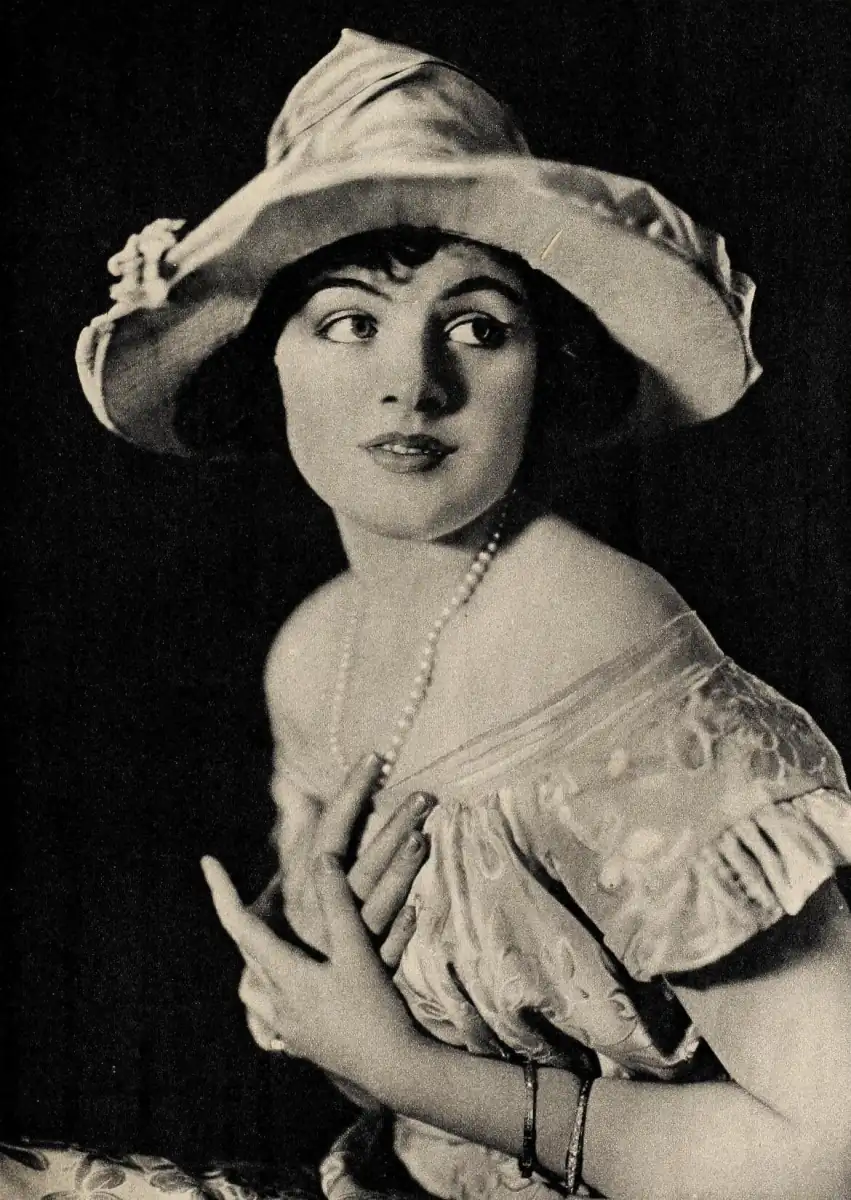 Silent film actress Elaine Hammerstein, photographed by Alfred Cheney Johnston and published in 1919. Public domain via Wikimedia Commons.13 / 22
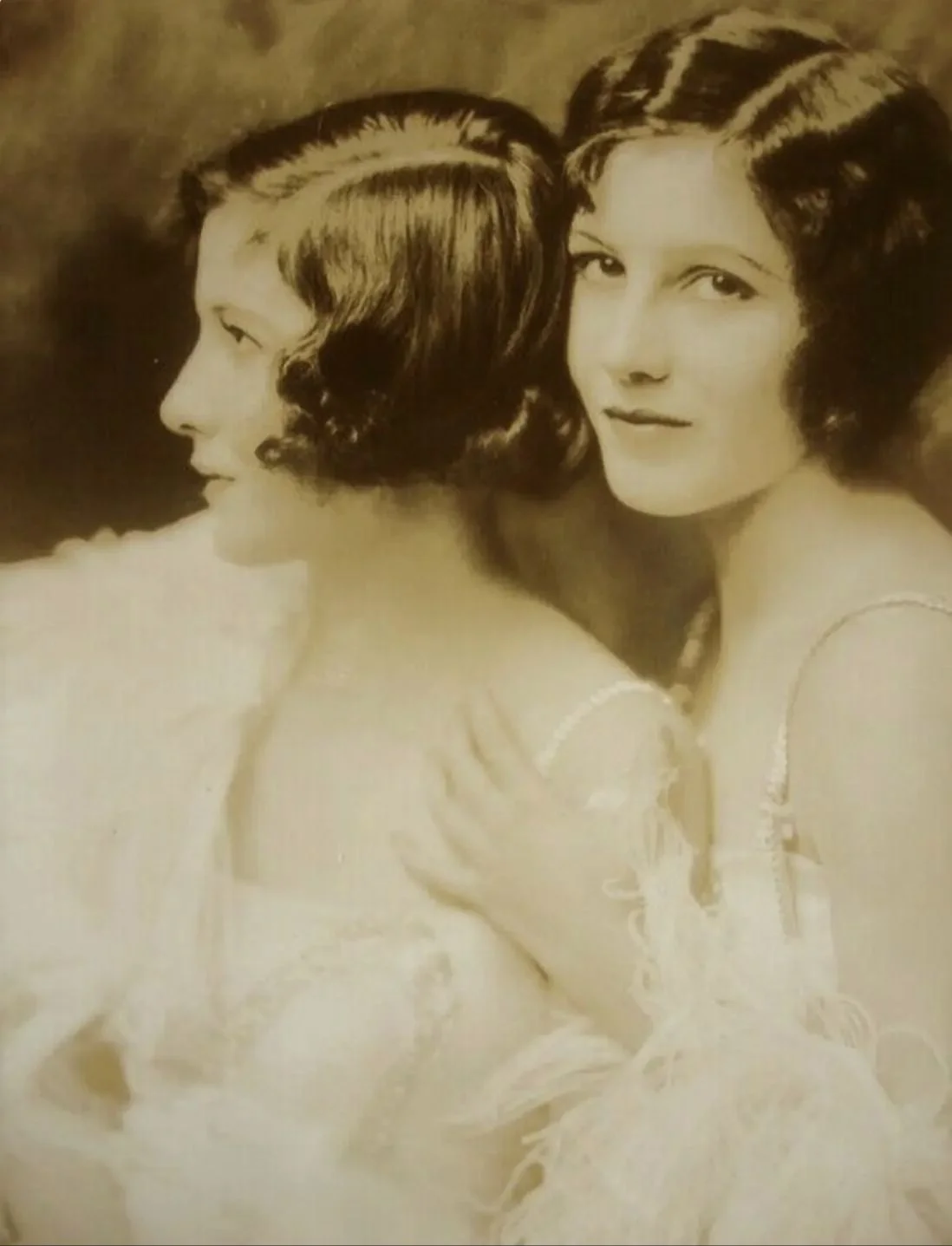 Twin stage and silent film actresses Madeline and Marion Fairbanks, photographed by Alfred Cheney Johnston in 1922. Public domain via Wikimedia Commons.14 / 22
 Ziegfeld Follies star Fanny Brice, photographed by Alfred Cheney Johnston in 1918. Public domain via Wikimedia Commons.15 / 22
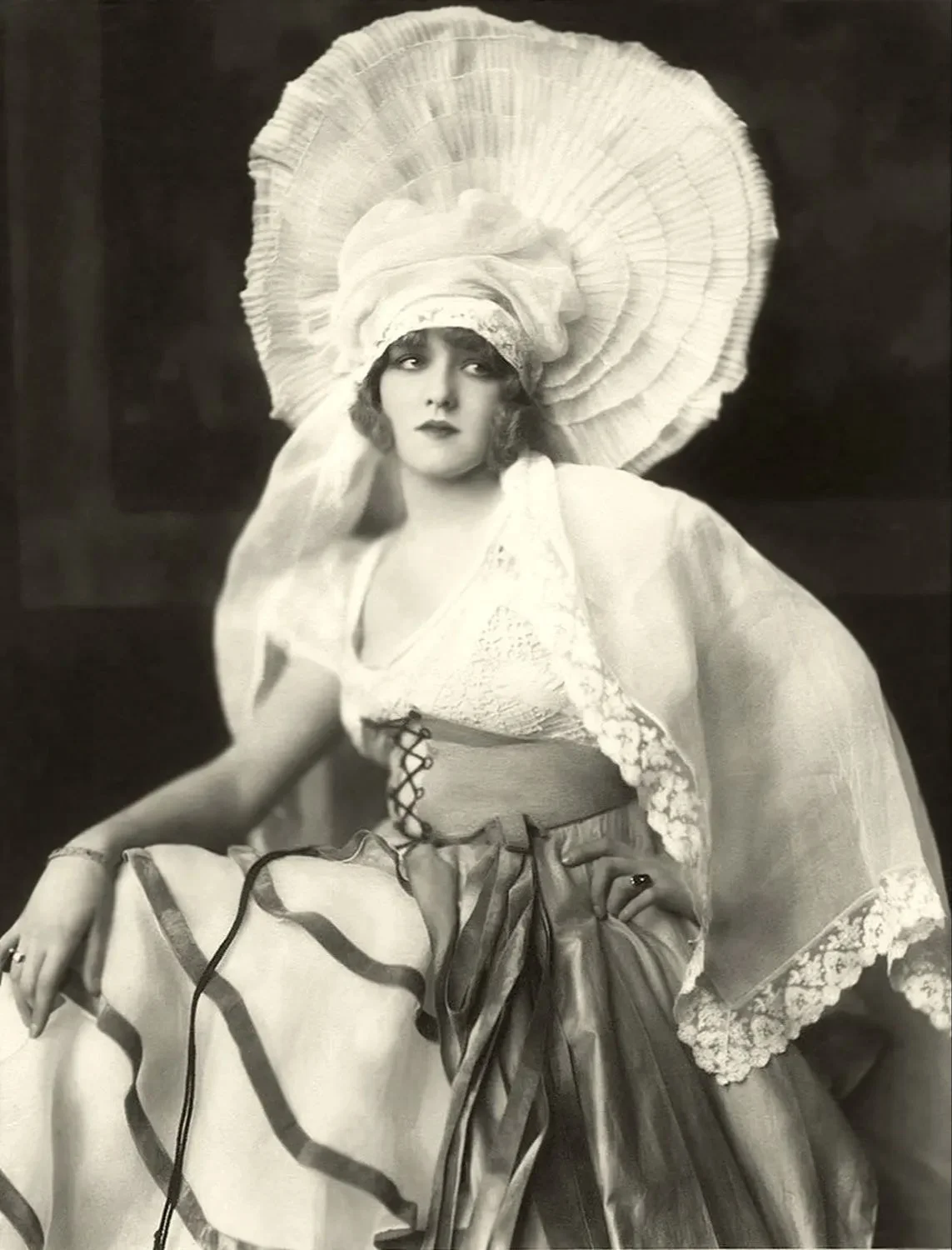 Ziegfeld girl Gladys Glad, photographed by Alfred Cheney Johnston in 1926. Public domain via Wikimedia Commons.16 / 22
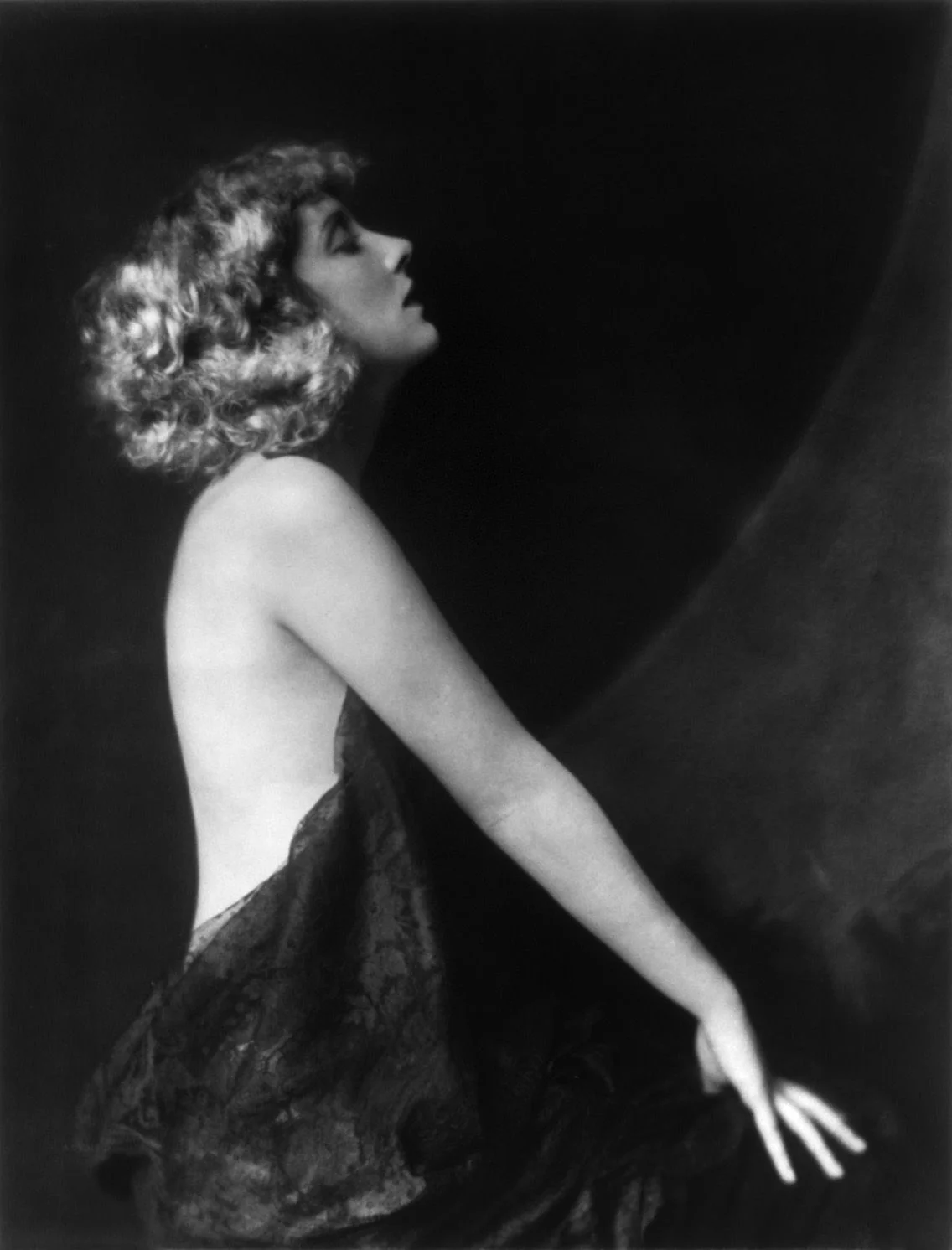 Ziegfeld girl and actress Helen Lee Worthing, photographed by Alfred Cheney Johnston in 1920. Public domain via Wikimedia Commons.17 / 22
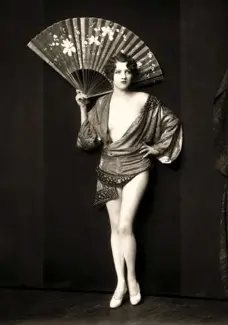 Ziegfeld girl Jean Ackerman, photographed with a fan by Alfred Cheney Johnston, circa 1927. Public domain via Wikimedia Commons.18 / 22
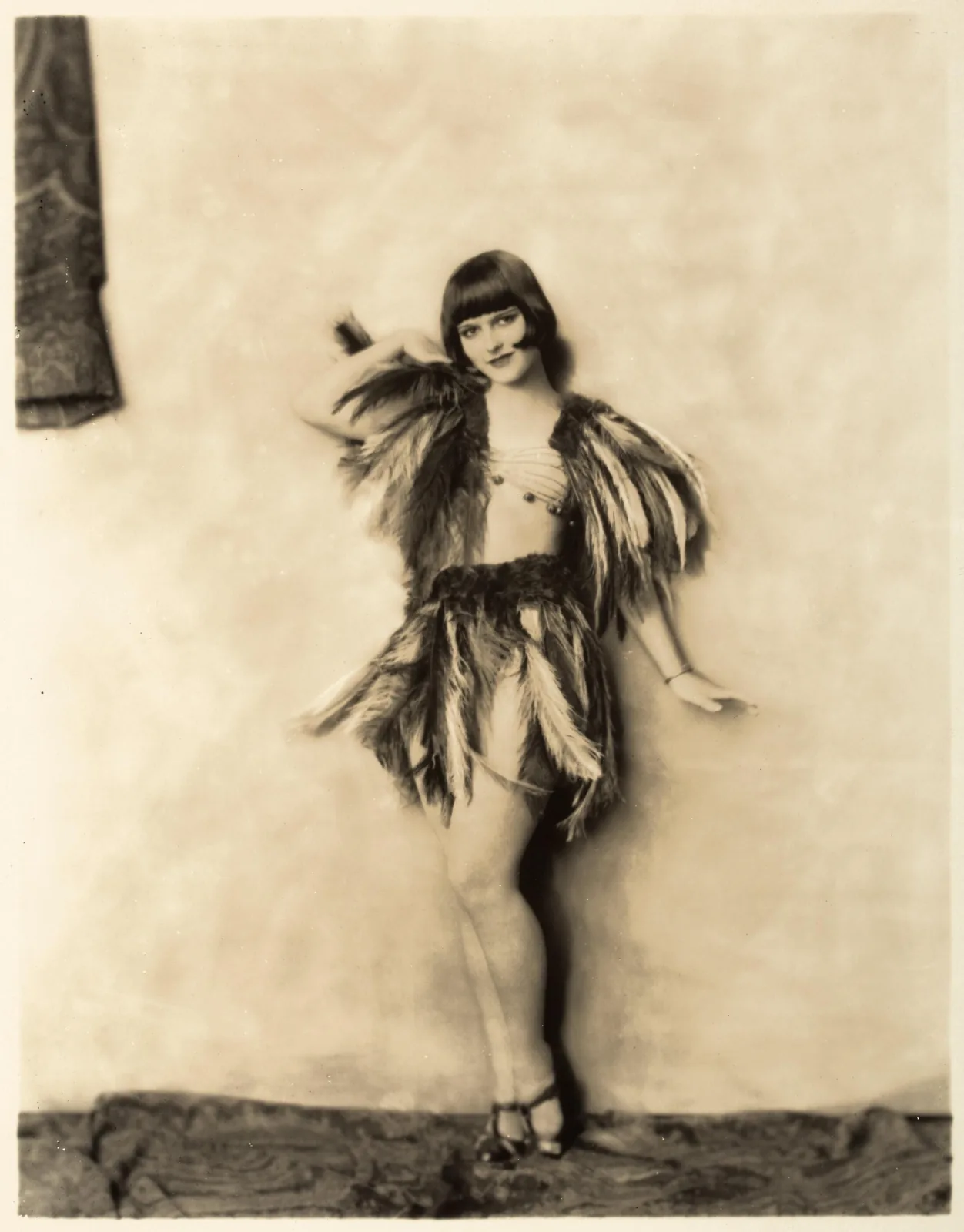 Louise Brooks in costume for George White’s Scandals, photographed by Alfred Cheney Johnston in 1924. Public domain via Wikimedia Commons.19 / 22
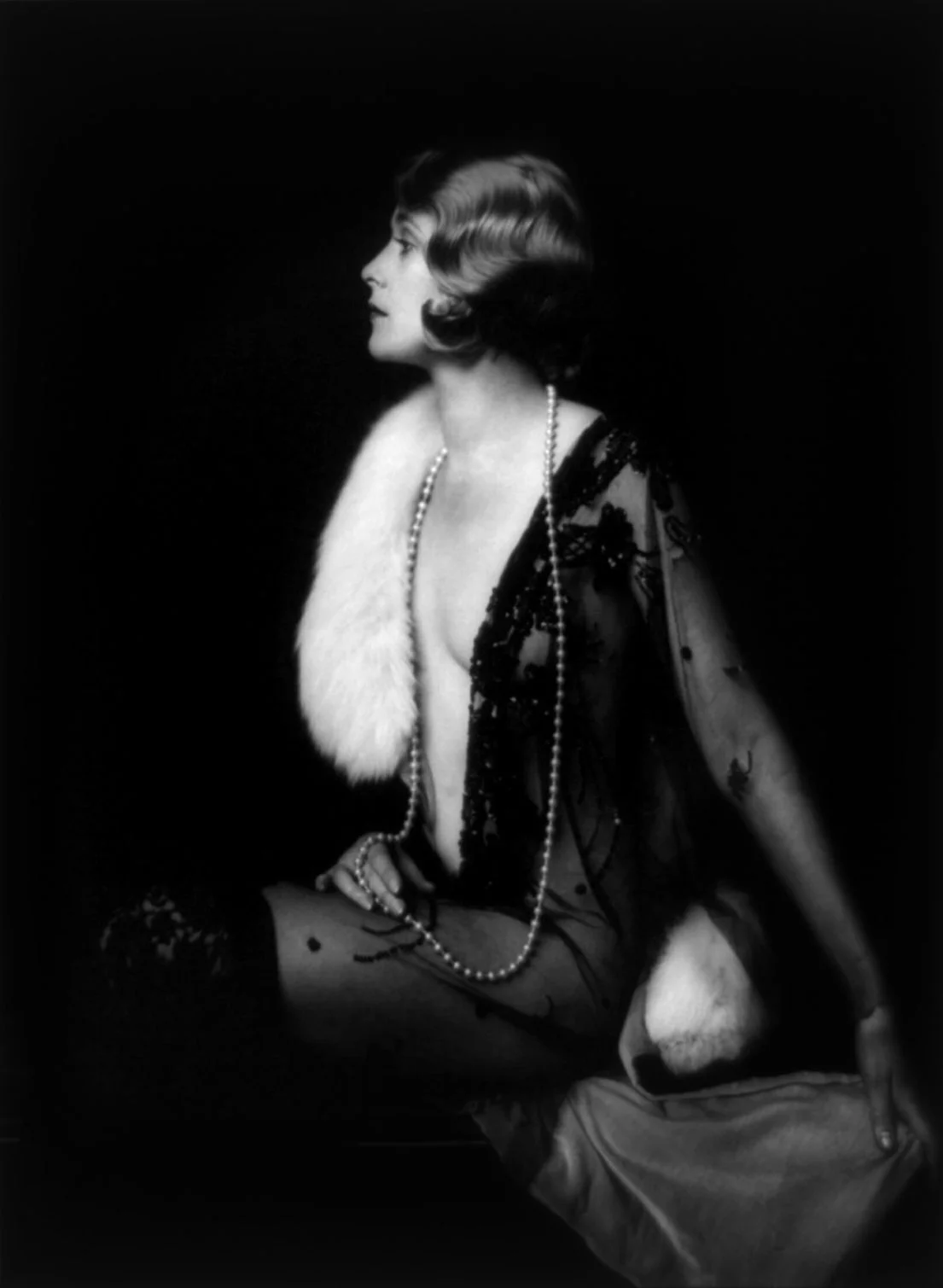 Ziegfeld girl Muriel Finlay, photographed by Alfred Cheney Johnston, circa 1928. Public domain via Wikimedia Commons.20 / 22
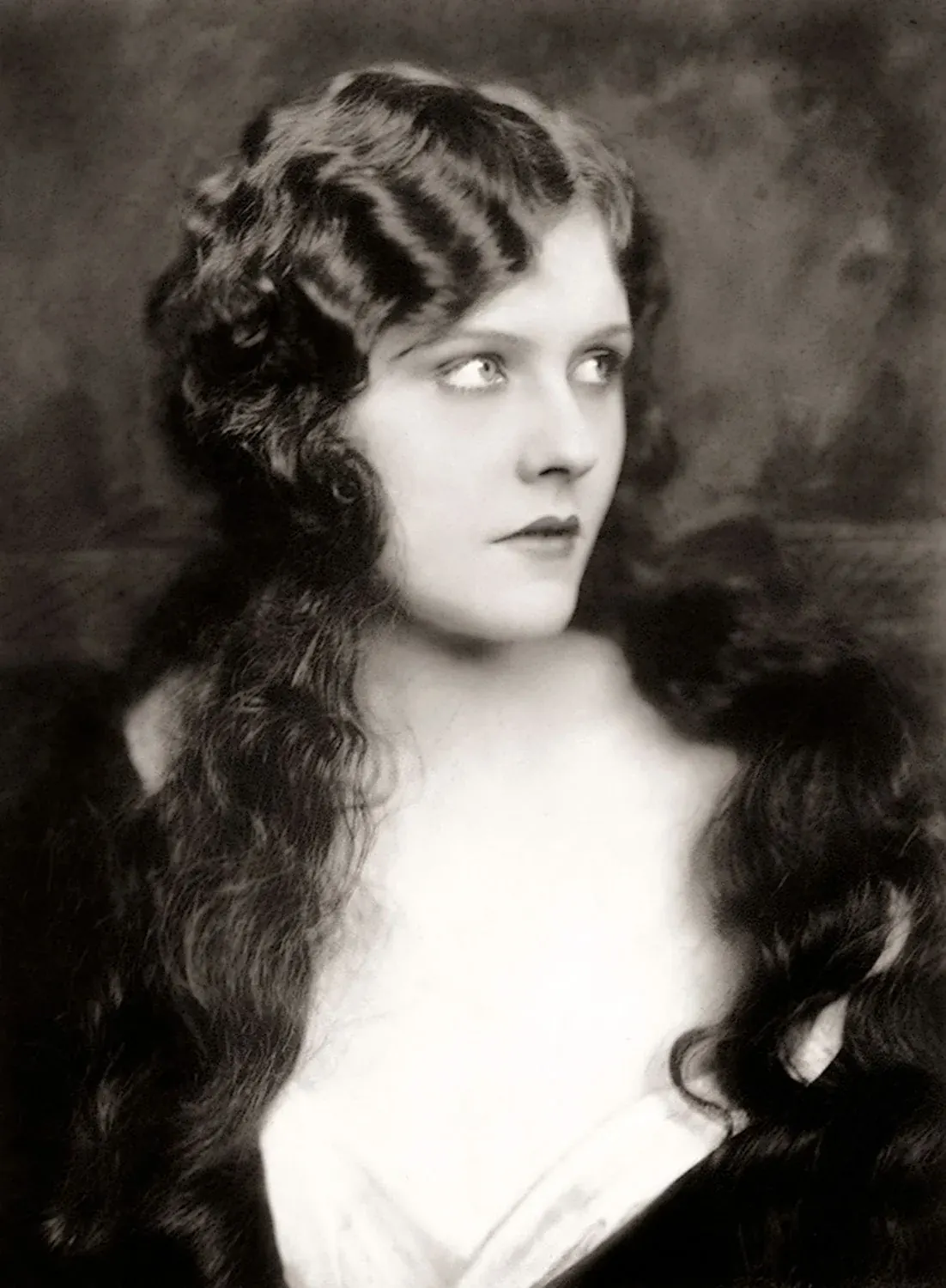 Ziegfeld girl Naomi Johnson, photographed by Alfred Cheney Johnston in 1928. Public domain via Wikimedia Commons.21 / 22
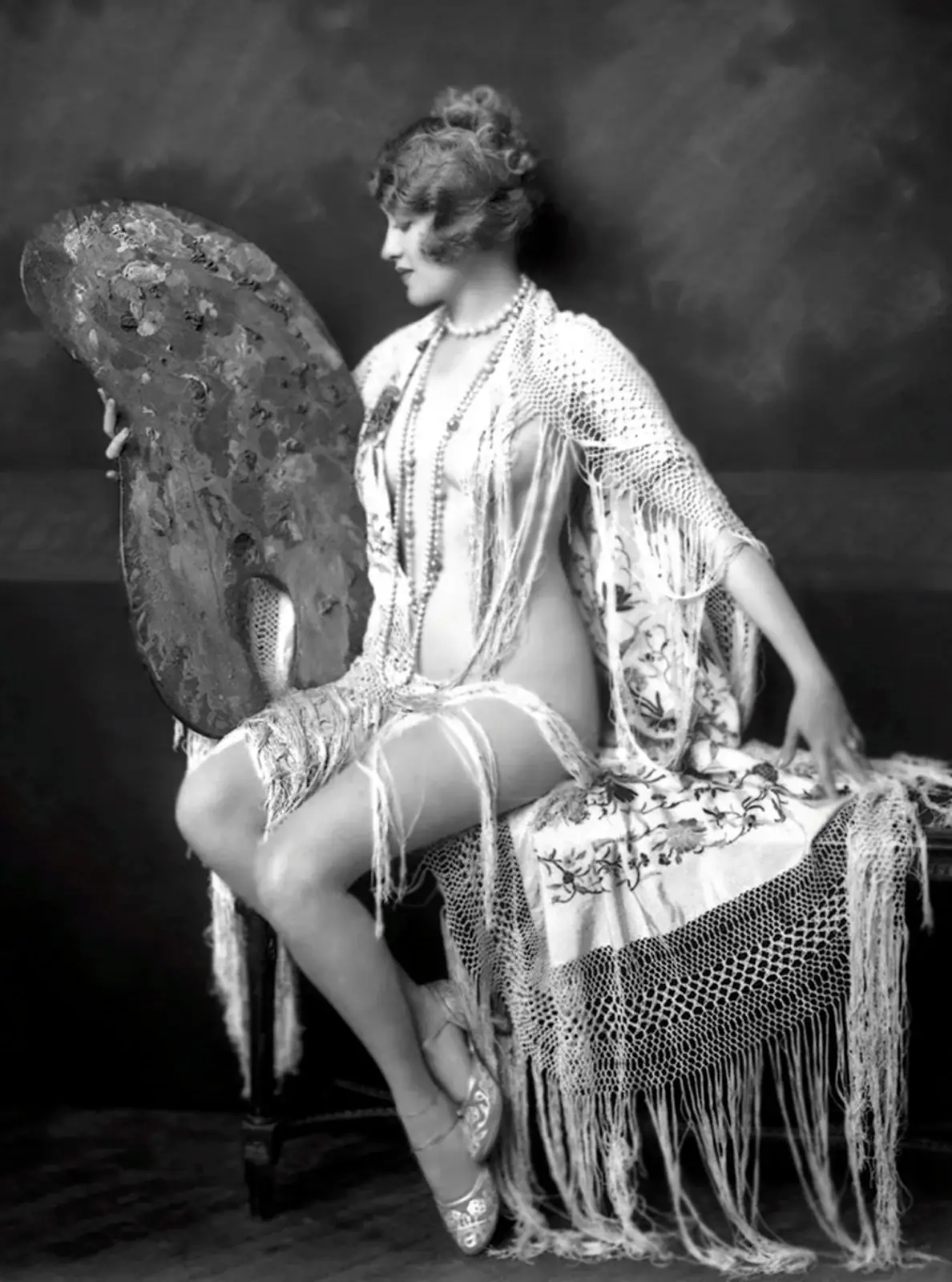 Singer and actress Ruth Etting, photographed by Alfred Cheney Johnston, circa 1927. Public domain via Wikimedia Commons.22 / 22
Related on This Site
- Why Alfred Cheney Johnston made his nude photographs
- A gallery of twenty Johnston nude studies
- Who the Ziegfeld girls really were
- Hilda Ferguson, the Follies shimmy queen Johnston photographed
- Mary Nolan, a tragic Ziegfeld beauty
- A Ziegfeld showgirl tells her own story: “Bubbles” Wilson
- Louise Brooks, the Follies chorus girl Johnston photographed before Hollywood
- Ziegfeld on Beauty: his complete 1923 newspaper series
- Johnston in his own words: his 1928 newspaper series on beauty types
Sources and Further Reading
- “Alfred Cheney Johnston,” Broadway Photographs, David S. Shields, University of South Carolina — the essential documentary reference, with a companion page on how he set up his studio drawing on Gordon Bell’s 1935 interviews.
- Robert Hudovernik, Jazz Age Beauties: The Lost Collection of Ziegfeld Photographer Alfred Cheney Johnston. Universe/Rizzoli, 2006.
- Linda Mizejewski, Ziegfeld Girl: Image and Icon in Culture and Cinema. Duke University Press, 1999.
- Liz Conor, The Spectacular Modern Woman: Feminine Visibility in the 1920s. Indiana University Press, 2004.
- Alfred Cheney Johnston, Enchanting Beauty. Swan Publishing, 1937.
Johnston’s subjects are collected in Ziegfeld Girls and the Birth of Hollywood Glamour, a book of portraits of fifty-three Ziegfeld Girls who crossed over to Hollywood.
Further reading: My peer-reviewed Alfred Cheney Johnston article in Afterimage (University of California Press) makes the case for reading his Ziegfeld-era portraits as historical evidence rather than period decoration.