15 Silent Film Actresses Who Died Young: Drugs, Alcohol, and the Cost of Stardom
The silent film actresses who died young include Alma Rubens, Helene Costello, Helen Lee Worthing and Germany’s Maria Orska, all of whom struggled with addiction. Alcohol contributed directly to Marie Prevost’s death, while barbiturate sleeping pills killed others, among them Ruan Lingyu and Lupe Vélez.
Why Did So Many Silent Film Actresses Die Young?
The first generation of film actresses (and actors) faced big risks with little protection.
 They worked long hours, were under pressure from studios to succeed, and were under constant scrutiny by the public. Alcohol and drugs (including sleeping pills) offered relief for some at a time when little was known about their risks and how to safeguard health.
We don’t know the extent to which early film actresses died young relative to the population as a whole, but there is a long list of memorable celebrity tragedies associated with what we now call substance abuse.
An actress was a working person whom publicity converted into a consumable personality, one that others could aspire to emulate. Liz Conor calls the type the “appearing woman”: a woman whose modernity consisted of being seen.
No one appeared more in modern commercial terms than a film actress. For some, the experience had tragic consequences.
The women covered here:
- Olive Borden (1907–1947) — Fox star at 19; alcoholism in later life
- Helene Costello (1906–1957) — Born into silent-film royalty; narcotics addiction and pneumonia
- Jeanne Eagels (1890–1929) — Stage and film legend; alcohol and drugs
- Barbara La Marr (1896–1926) — “The girl who was too beautiful”; alcohol and malnutrition
- Lottie Pickford (1893–1936) — Career spent beside her sister Mary; alcoholism; death reported as heart attack
- Marie Prevost (1896–1937) — Sennett Bathing Beauty; alcohol and malnutrition
- Alma Rubens (1897–1931) — The richest first-person record; morphine, heroin, and pneumonia
- Helen Lee Worthing (1905–1948) — Ziegfeld performer; alcohol and prescription drugs
- Thelma Hill (1906–1938) — Sennett comedienne; alcohol
- Mildred June (1905–1940) — Sennett comedy lead; alcohol
- Anita Berber (1899–1928) — Berlin dancer, writer and actress; narcotics
- Maria Orska (1893–1930) — German stage star; morphine addiction and Veronal poisoning
- Ruan Lingyu (1910–1935) — The central actress of Chinese silent cinema; sleeping pills
- Lupe Vélez (1908–1944) — Silent-era lead turned sound comedy star; Seconal overdose
- Lillian Drew (1882–1924) — Essanay player with scores of credits; sleeping pills
What Was the Role of Alcohol in the Jazz Age?
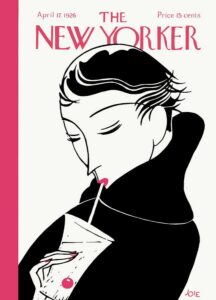
One of the ironies of Prohibition, which took effect in 1920 and lasted throughout the decade, was that it made drinking more glamorous.
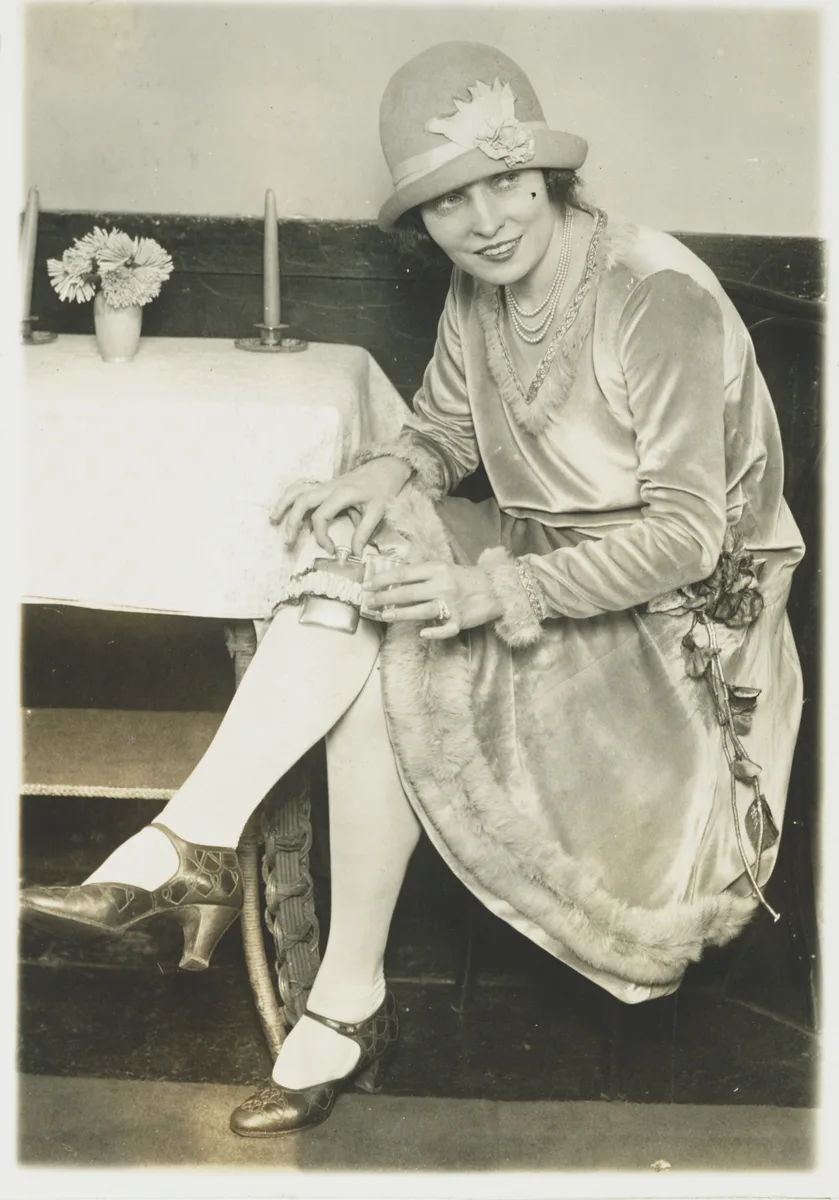
For women, it also signaled independence and a break from old-fashioned rules of expected female behavior. The cocktail and the flask were both pleasures and props that signified modernity.
The pressure to drink was built into the work of a film actress. Advancing in the business meant socializing with directors, studio executives, and others with the power to influence a career. This partying often involved alcohol.
Alcohol’s association with modernity and business dealings opened the door to its appeal as a social lubricant and as something more useful still. It quieted nerves before a performance or a meeting that could decide a contract.
It softened the self-consciousness of a woman who was constantly judged and often criticized. It helped at the end of the day when the adrenaline of the set would not switch off. It supplied a measure of ease, of relaxation.
The trouble was, of course, that it worked so well that dependence could follow. A leading man who drank too much was colorful. An actress who drank was a problem. The hip modern woman with a flask could easily find herself cut loose from the film business.
What Drugs Were Abused During the 1920s?
Apart from alcohol, commonly abused drugs fell into two broad categories: (1) “dope”—a period term referring chiefly to opiates and cocaine; and (2) sedatives used as sleeping aids, especially chloral hydrate and barbiturates.
What was said above about alcohol and actresses applies largely to drugs during the Jazz Age as well. Drugs also soothed nerves and helped blunt the difficulties of filmdom. While it is likely that public consumption of dope was far less common than alcohol, certain drug use had the advantage of medical approval. Doctors gave opiates for pain management and sleeping pills were advertised in medical journals.
Dope and Dope Fiends
In 1920s legal and journalistic language, “narcotics” or “dope” typically encompassed both opiates and cocaine.
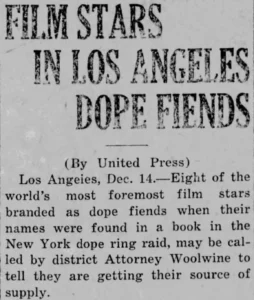
Dec 15, 1922.
Opiate use—involving opium, morphine, or heroin—was more commonly documented among movie actresses than cocaine. Dependence sometimes began with legitimate medical treatment (such as pain management), although increasingly restrictive enforcement pushed many users toward illicit suppliers.
If an actress used dope discreetly, she could evade publicity.
But if her use became known (such as through criminal investigation), newspapers would term her a “dope fiend,” a stigmatizing term that associated addiction with depravity and immorality while obscuring important differences among occasional use, physical dependence, and compulsive drug use.
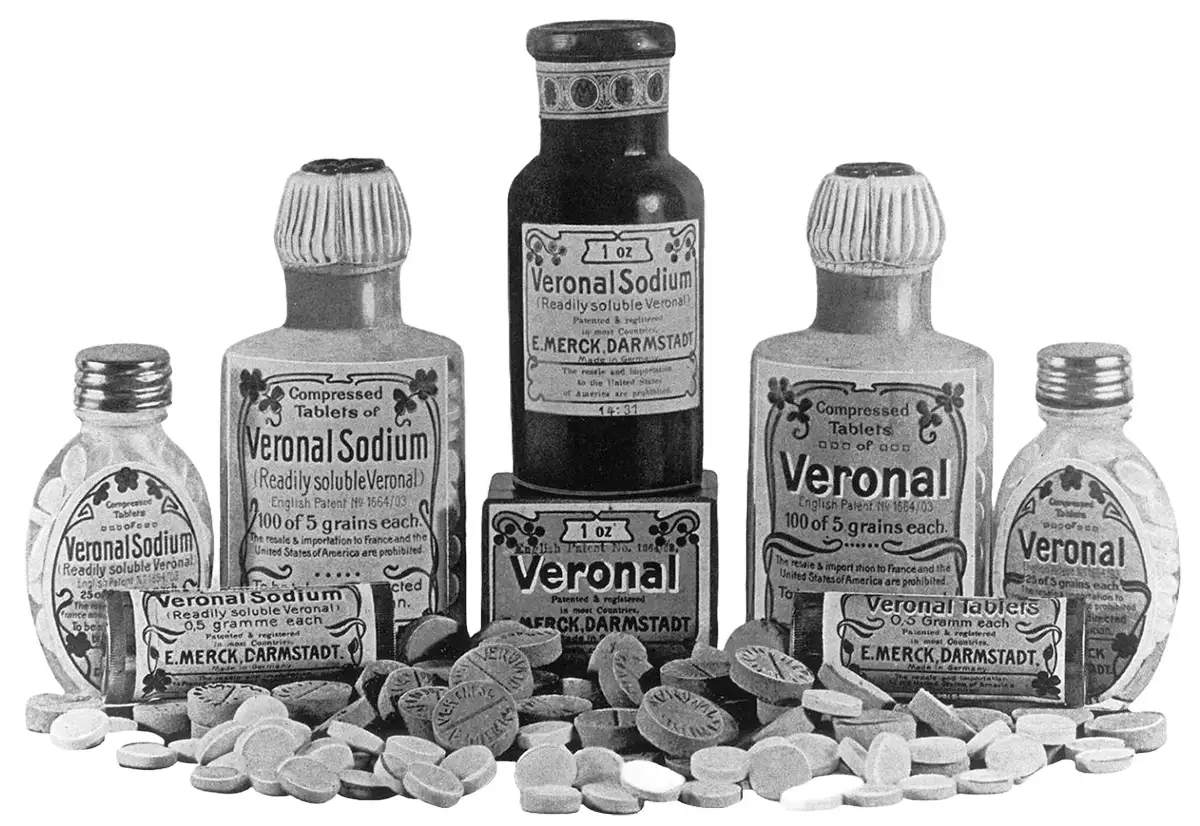
Veronal and Sleeping Pills
The sleeping drugs available in the early twentieth century were sold over the counter, difficult to dose safely, and unforgiving when mixed with alcohol or other depressants.
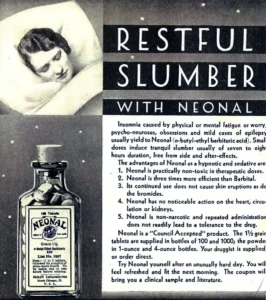
The first widely marketed barbiturate sleeping pill appeared early in the twentieth century under the brand name Veronal. Veronal was familiar enough in 1932 that it was mentioned in Grand Hotel: Greta Garbo’s character is stressed and is given the drug for rest.
Many other barbiturates were marketed during the Jazz Age, including Luminal, Dial, Neonal, Amytal, and Allonal.
They worked to induce sleep, but were dangerous. Overdoses—accidental and intentional—were not uncommon.
Federal controls tightened in 1938, when barbiturates became subject to habit-forming warnings and prescription requirements.
Which Silent Film Actresses Died with the Involvement of Drugs or Alcohol?
Olive Borden (1907–1947)
Olive Borden was a child film actress and then an adult star, earning a reported $1,500 a week at her peak. She made over 40 films.
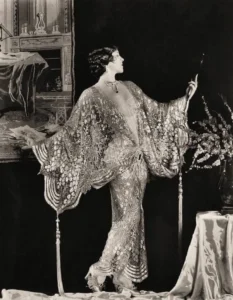
A contract dispute and the transition to sound ended her career; her last film, Chloe, Love Is Calling You, appeared in 1934.
According to her biographer, Michelle Vogel, Borden began an affair with director Marshall Neilan, an allegedly notorious alcoholic, during the 1930s; she increased her own drinking to keep pace with him. She is said to have continued drinking after the relationship ended and became an alcoholic.
By the early 1940s she was bankrupt. She straightened out long enough to serve in the Women’s Army Corps during the war, and from 1945 lived and worked at the Sunshine Mission, a residence for impoverished women on Los Angeles’s skid row.
She died there in October 1947 at 40.
Helene Costello (1906–1957)
Helene Costello was born into silent-film royalty: daughter of Maurice Costello, sister of Dolores, and a screen performer from childhood.
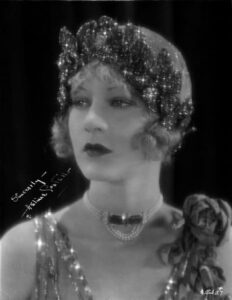
She appeared in Lights of New York (1928), generally recognized as the first all-talking feature. Her career contracted after the transition to sound, and later years brought tuberculosis, financial trouble, and addiction.
In January 1957 she entered Patton State Hospital for narcotics addiction and died of pneumonia within days at 50. Time reported the commitment and death together.
Patton was also the institution to which Alma Rubens had been committed nearly three decades earlier. Costello’s arrival there shows that a state psychiatric hospital was still serving as an addiction destination of last resort.
Jeanne Eagels (1890–1929)
Jeanne Eagels was a stage and film actress who appeared on screen opposite John Gilbert in Man, Woman and Sin (1927) and in The Letter (1929).
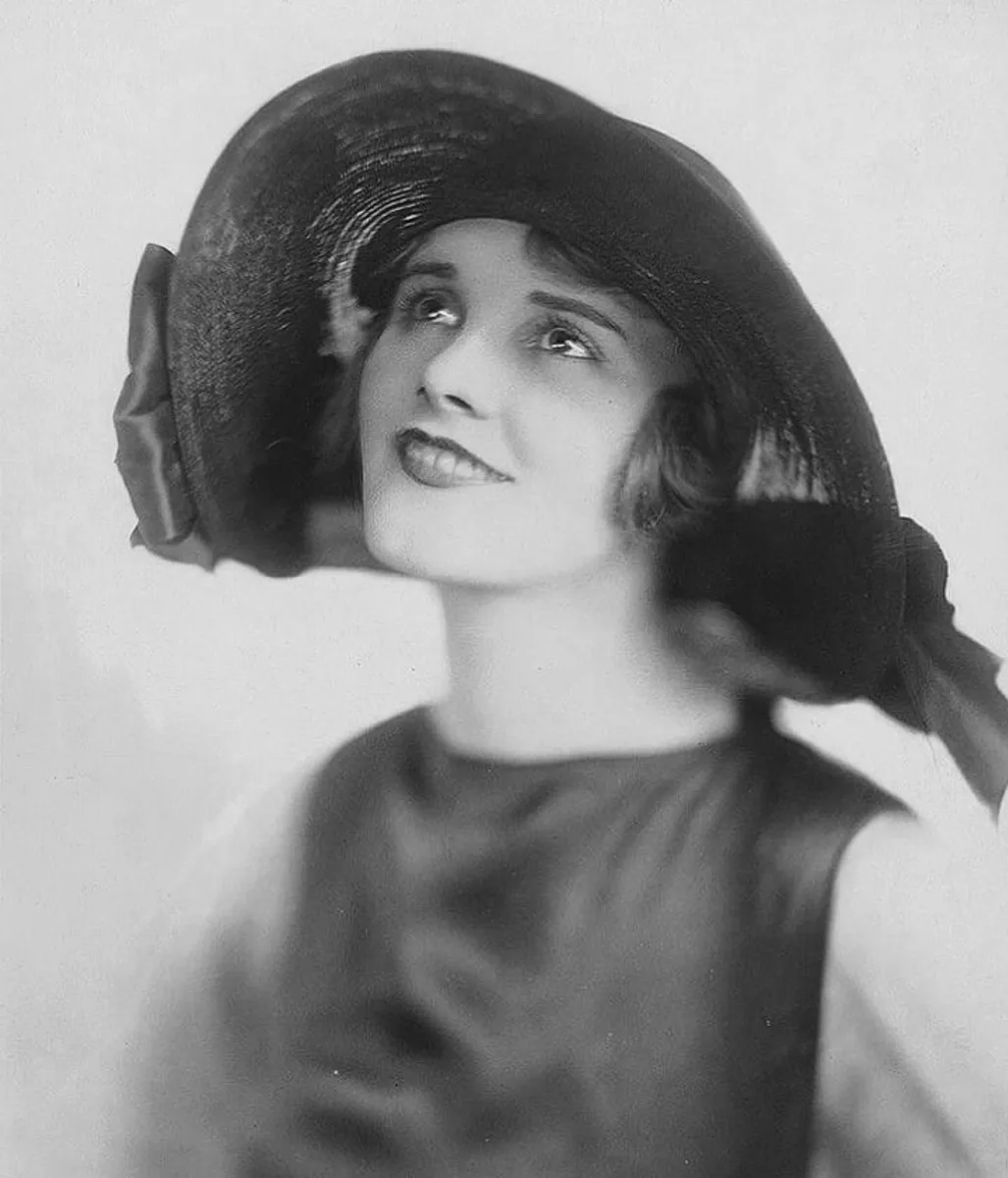
Her death at 39 was variously attributed to alcohol, heroin, and chloral hydrate.
“Alcoholic psychosis” was the initial finding. Other reports attributed the death to chloral hydrate.
In June 1930, Time summarized the dispute: the New York Daily Mirror said an official autopsy showed a heroin overdose, while Liberty magazine and Eagels’s physician blamed chloral hydrate. Later accounts combine alcohol, heroin, and chloral hydrate into a single story.
Her case illustrates at least two issues of the era. The first is that post-mortem analysis during the 1920s was not always a settled practice; a cause of death could oscillate between opinion and toxicology reports (which could be inconclusive).
The second issue is how doctors, institutions, and the press struggled to describe a star’s substance abuse and the extent to which the abuse contributed to her death.
Barbara La Marr (1896–1926)
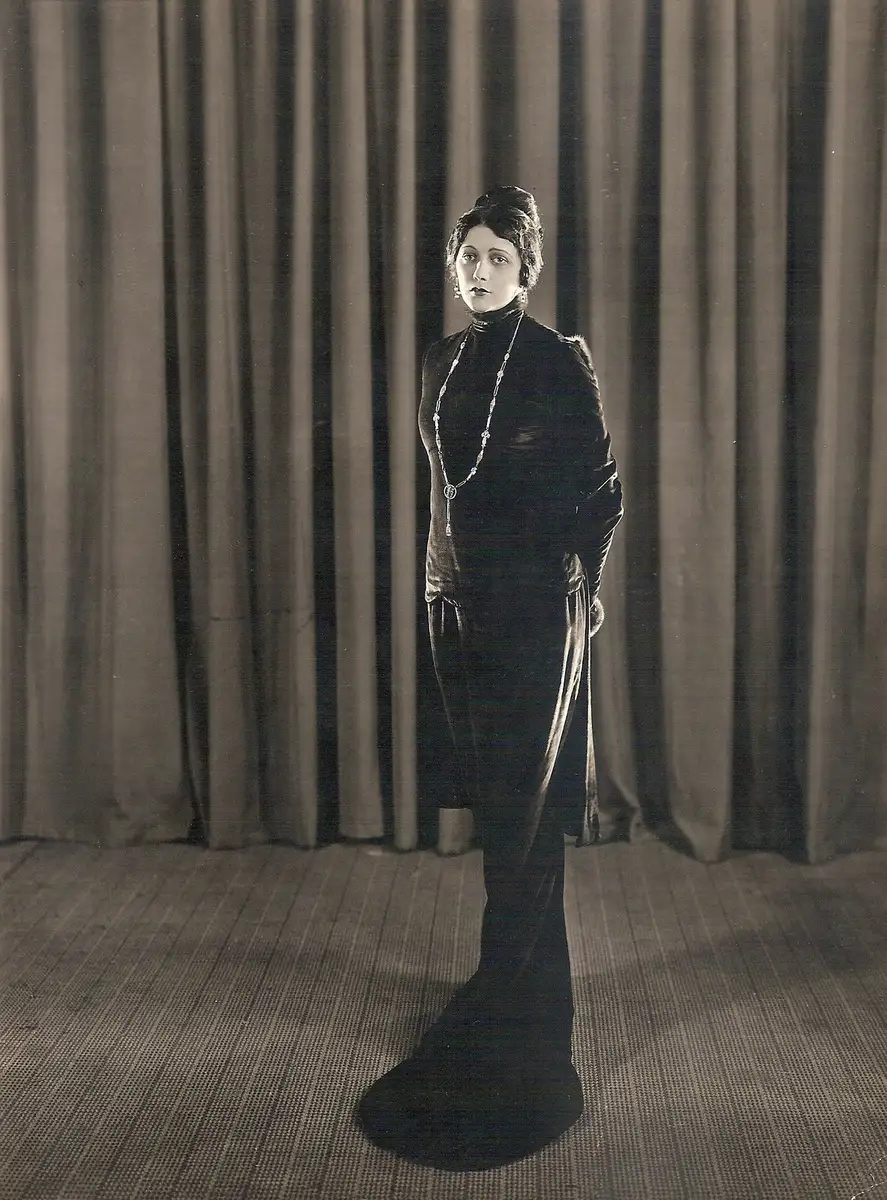
Barbara La Marr was an actress marketed as “the girl who was too beautiful.” Screenland told readers her life story was “wilder than any fiction tale.”
She wrote scripts before becoming a star and appeared in 26 credited films in roughly five years, including The Three Musketeers (1921), The Prisoner of Zenda (1922), and Trifling Women (1922).
She also drank heavily, slept little, dieted drastically, and continued working as her health deteriorated.
She died at 29 of pulmonary tuberculosis complicated by nephritis.
Later retellings attributed morphine addiction, heroin use, and a narcotics arrest to La Marr. Sherri Snyder’s biography, Barbara La Marr: The Girl Who Was Too Beautiful for Hollywood, found no evidence supporting those claims.
Lottie Pickford (1893–1936)
Lottie Pickford spent her career beside the biggest star in the family: her sister Mary.
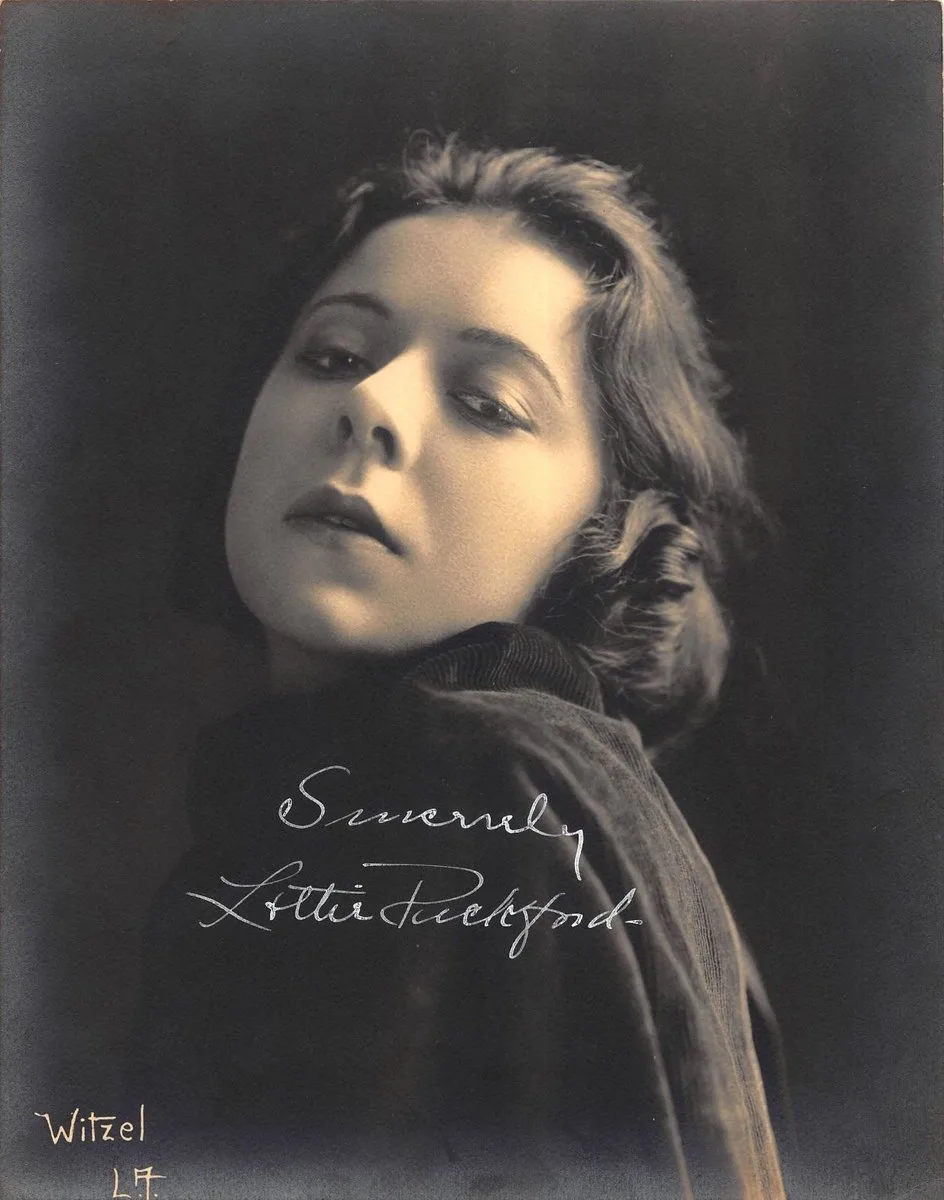
Lottie appeared in films from the 1910s through the mid-1920s, including Don Q, Son of Zorro (1925).
But she became at least as well known for lavish, all-night parties. Eileen Whitfield’s biography of Mary Pickford describes the alcohol-soaked social world shared by Lottie and her brother Jack.
Lottie died after a heart attack in December 1936 at 43. An Associated Press report said she had been in failing health for three years but did not assign that decline to alcohol.
Later biographical accounts do. The careful formulation is therefore that her alcoholism is well established in family biography, while contemporary reports identified the immediate cause as a heart attack. The exact medical wording on her death certificate has not yet been verified.
Marie Prevost (1896–1937)
Marie Prevost advanced from Mack Sennett’s Bathing Beauties to sophisticated comedy, most memorably in Ernst Lubitsch’s The Marriage Circle (1924).
 The next decade brought the end of her Warner Bros. contract, divorce, shrinking roles, changing weight, and heavy drinking.
She died alone in January 1937 at 40. Contemporary newspaper reports described acute alcoholism and malnutrition. Her dachshund’s barking alerted neighbors, and the dog had bitten at her legs, apparently trying to wake her. A later claim that the animal ate her body is unsupported.
Prevost continued working almost to the end, descending through cast lists rather than vanishing from the screen all at once.
Her story is not a fable about a forgotten star devoured by a pet. It is a documented death from alcohol and malnutrition that sensational retelling somehow found insufficiently tragic.
Alma Rubens (1897–1931)
Alma Rubens provides the richest first-person record.
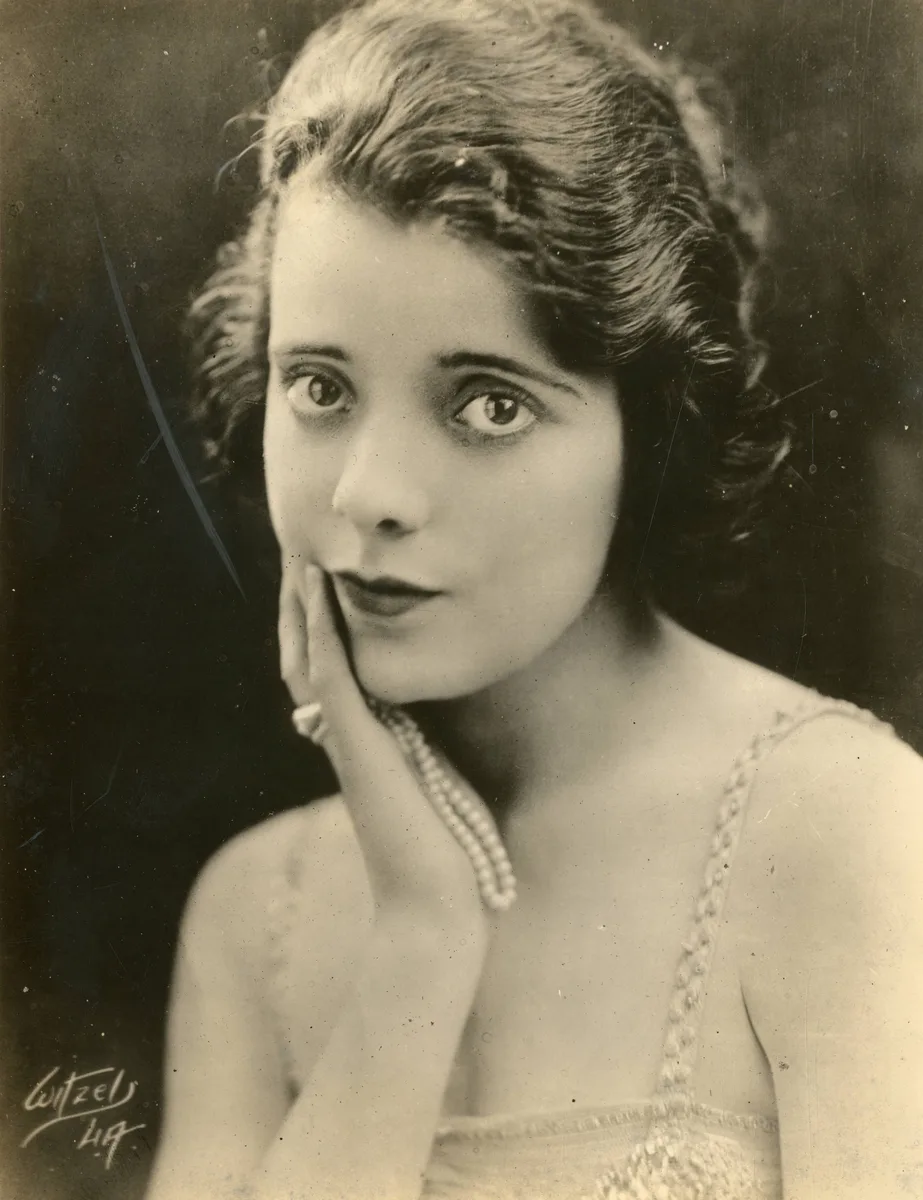
A star of Humoresque (1920) and one of the best-paid actresses of the early 1920s, she said her dependence began after a physician administered narcotics during an illness. Morphine gave way to heroin.
By 1929 she had assaulted a doctor who was trying to transport her for treatment and was committed to Patton State Hospital.
After release she attempted a return to work and spoke publicly about addiction. In January 1931 she was arrested in San Diego on a narcotics charge; she developed pneumonia and died later that month at 33.
Her memoir, usually called This Bright World Again, was serialized nationally. The San Francisco Silent Film Festival’s account reproduces the blunt way it was advertised: the story of a once-great star “ruined by drugs.”
The memoir preserves something most of these women were denied: a sustained account in the subject’s own voice of what treatment, relapse, public exposure, and attempted recovery felt like.
Helen Lee Worthing (1905–1948)
Helen Lee Worthing was one of the Ziegfeld Girls before making silent films including The Swan and The Other Woman’s Story (both 1925).
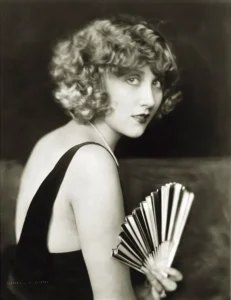
Her 1927 marriage to Dr. Eugene Nelson, a Black physician, became a national scandal. The couple faced racist press coverage and social ostracism, and Worthing’s career ended.
Her later history appears in arrests and court proceedings: public drunkenness, forged narcotics prescriptions, jail, and institutional confinement. “I drink in desperation,” she told a parole officer.
The San Francisco Silent Film Festival’s archival essay connects those records to the racist and patriarchal machinery surrounding her marriage rather than treating her decline as free-floating personal weakness.
Worthing died of Seconal poisoning in August 1948. Modern references often assign a 1905 birth year, making her 43, while the Los Angeles Times obituary called her 49. Until a birth record settles the conflict, the exact age should remain qualified.
Thelma Hill (1906–1938)
Thelma Hill, one of Mack Sennett’s Bathing Beauties and a gifted two-reel comedienne, retired from films in the mid-1930s and died in a sanitarium at 31.
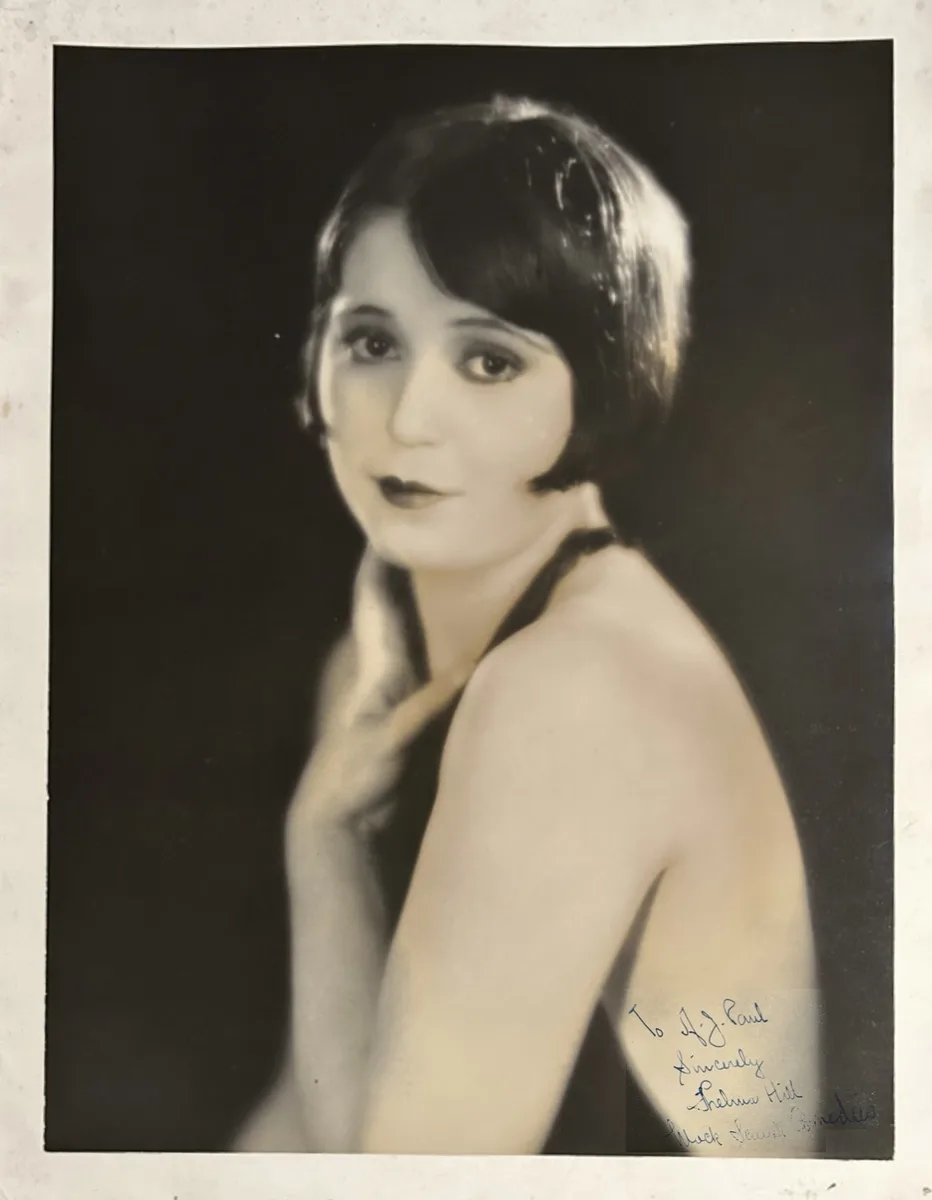
Modern biographies describe depression, diagnosed chronic alcoholism, and severe malnutrition. One account attributes her drinking to an association with director St. Elmo Boyce, claiming that her intake increased after his death in 1930.
The same account notes that in 1934 she married John West Sinclair, who was also alleged to be a heavy drinker. “As a housewife with time hanging on her hands, Hill became a hardcore alcoholic, to the point where she became seriously malnourished,” the source reports. “She was checked into a sanitarium in 1938” and died a month later.
Contemporary obituaries confirm that she entered the Edward Merrill Sanitarium. Her death certificate lists “chronic alcoholism, pellagra, and cerebral hemorrhage” as causes of death. The document lists 1932 for the onset of her alcoholism.
Mildred June (1905–1940)
Mildred June was also a Sennett Bathing Beauty and appeared in dozens of short comedy films.
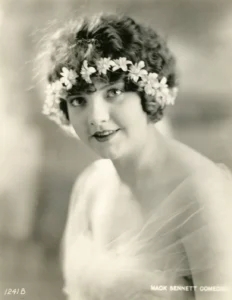
In 1927 she co-wrote and starred in Crazy to Act opposite Oliver Hardy. Her career then went into a steep downturn; her last film appearance was a small role in Laurel and Hardy’s Our Relations (1936).
Online biographies note that she was a drinker; one states “by 1928 she was unemployed and battling a serious alcohol problem.”
Not much is known about the scope of the problem. She was married from 1930 to 1935, when her husband died; his death certificate cites “Hodgkin’s Disease” with a secondary cause of “acute hemorrhage into the gastro-intestinal tract.”
When she died at age 34 her death certificate lists the cause of death as “cirrhosis of the liver (alcoholism history).” Her very brief obituaries noted only that she died “after a short illness.”
Anita Berber (1899–1928)
Anita Berber was a dancer, writer, and actress who appeared in roughly two dozen films, including Richard Oswald’s Different from the Others (1919).
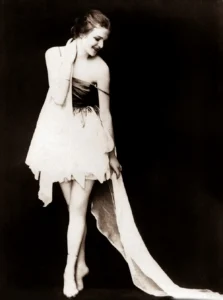
She and her partner Sebastian Droste openly promoted wide-open sexuality and drug use. Her dance performance titles included “Cocaine” and “Morphium.” Otto Dix painted her in scarlet in 1925, not as a healthy glamour ideal but as a figure already marked by decadence.
According to the German Dance Archive, Berber and Droste were cocaine-dependent by 1923; the Deutsche Biographie similarly describes her later career as visibly marked by drug and alcohol addiction. Other reputable accounts identify her extensive use of cocaine, morphine, opium, and alcohol.
Berber died of tuberculosis in 1928, aged 29. The German Dance Archive notes that the alcohol- and drug-addicted dancer was weakened from years of substance abuse, which allowed the disease to progress and kill her.
Maria Orska (1893–1930)
Maria Orska was better known as a stage actress than a film star, though she appeared in at least 11 silent films between 1915 and 1923.
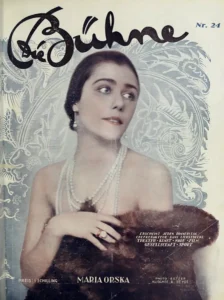
Her addiction is unusually well documented in contemporary German-language newspapers. A 1929 report described her entering a sanitarium for morphine withdrawal; another said she would remain there because treatment was urgently required.
A 1930 account published after her death reported Veronal poisoning and recounted her repeated escapes or departures from institutions.
Orska died in Vienna at 37 after taking Veronal. What the newspapers establish is repeated morphine treatment, repeated collapse, and a fatal barbiturate poisoning.
Ruan Lingyu (1910–1935)
Ruan Lingyu was the most famous actress of Chinese silent cinema; she made 29 films. She gave one of its defining performances in The Goddess (1934).
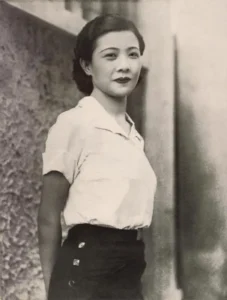
She died at 24 after taking barbiturates (Veronal) amid abusive relationships, a lawsuit, and intense tabloid scrutiny.
American trade papers noticed: Motion Picture Herald reported her death under the headline “Beautiful Chinese Movie Actress Is Dead,” describing thousands of mourners in the streets.
The tragedy uncannily repeated her recent film New Women, in which she played a woman driven to suicide after exploitation and persecution by the sensational press.
Ruan’s own relationships and impending court appearance then became tabloid material. The words traditionally attributed to her—“Gossip is a fearful thing”—became inseparable from her legend, but the authenticity of the published suicide notes is disputed.
Lupe Vélez (1908–1944)
Lupe Vélez made about 45 films, spanning the silent era and English- and Spanish-language sound cinema.
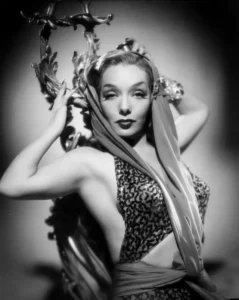
She began as a silent-era leading lady opposite Douglas Fairbanks in The Gaucho (1927) and became a larger star in sound comedy.
Vélez’s most memorable film is Mexican Spitfire (1940); her performance as the exuberant Carmelita Lindsay established her enduring “Mexican Spitfire” screen persona.
Vélez died by suicide at 36 after an overdose of Seconal, a barbiturate sleeping pill. She had recently ended her engagement to the actor Harald Ramond. Her suicide note was addressed to him.
Lillian Drew (1882–1924)
Lillian Drew made more than 80 silent films, primarily shorts for Chicago’s Essanay studio.
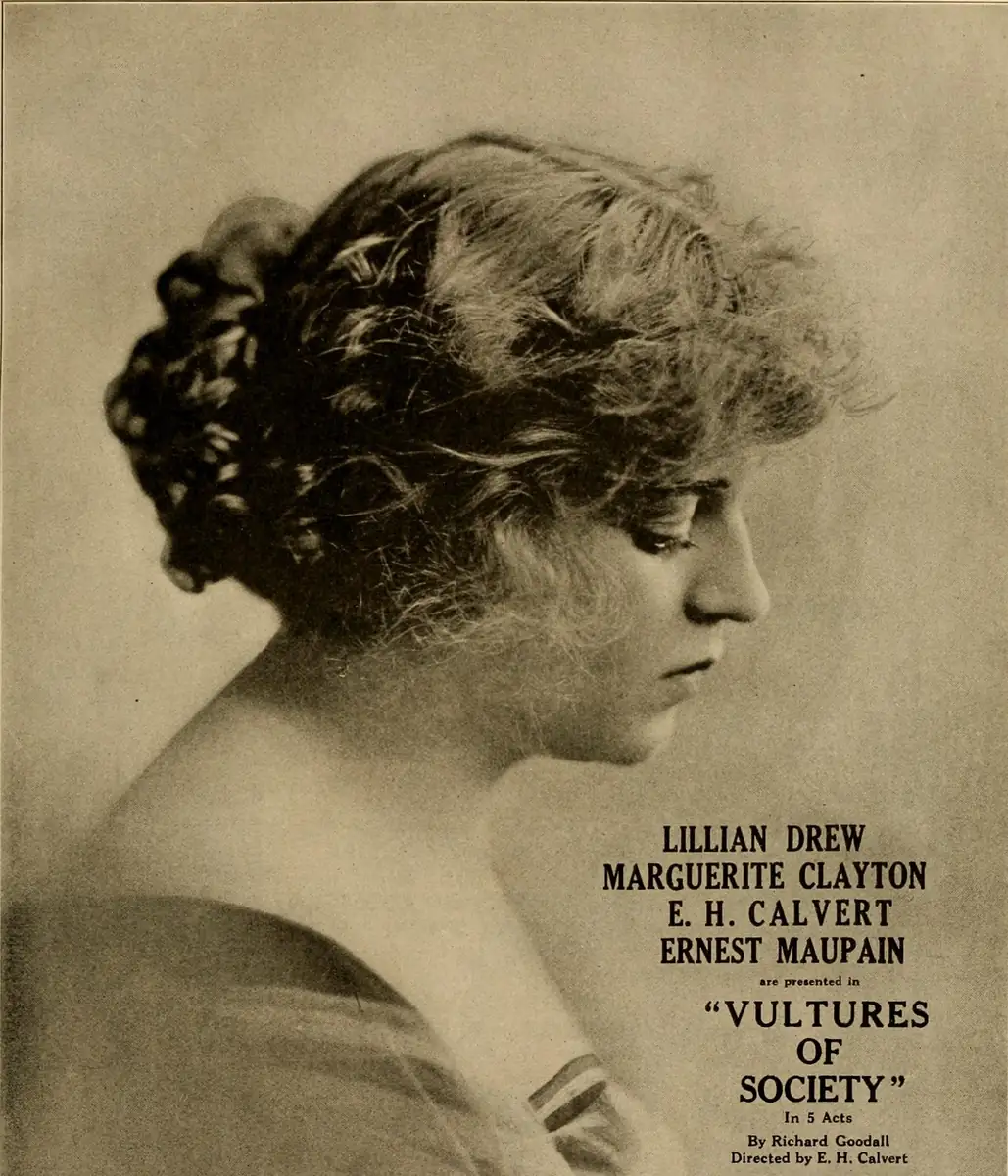
She began her screen career in 1913 and became known as the “Lily of the Essanay,” frequently appearing in dramatic roles alongside her husband, actor-director E. H. Calvert.
One of Drew’s better-known films is Vultures of Society (1916); The Billboard singled her out, declaring her acting noteworthy. Her final screen appearance was in Children of Jazz (1923).
Drew died at 41 from Veronal poisoning while recovering from injuries sustained in an automobile accident. A coroner’s jury ruled her death accidental. Exhibitors Herald reported the verdict in a single blunt line: “Veronal poisoning.”
What Do These Deaths Tell Us About Silent Film Actresses Who Died Young?
Addiction treatment existed in the 1920s, but it was fragmented, unreliable, divided by wealth, and primitive by today’s standards. Affluent patients could enter private hospitals or sanitariums; others often ended up in state hospitals or jail.
Substance abuse was treated variously as a crime, moral failure, or melodramatic cautionary tale. Male actors certainly had their struggles with drugs and alcohol, but the negative labeling fell most heavily on women, who often were presented as “fallen” from a state of feminine prudence and restraint.
The actresses profiled here all had individual lives and the circumstances of their deaths differ. Alcohol, opiates, barbiturates, and illness appear in different combinations and circumstances. What connects their stories is a new entertainment industry with inherent risks operating during an era when comparatively little was known about how to control drugs and treat addiction.
These women were among the first modern celebrities. They worked in a field that slotted them into highly publicized personas; when things went well, they were beautiful, charming, and talented. When darker aspects of life intruded, they became sad, tragic, and ruined.
For a closely related case, see Mary Nolan’s struggle with morphine addiction and her fatal barbiturate overdose.
Sources and Further Reading
Social and cultural history
- Liz Conor, The Spectacular Modern Woman: Feminine Visibility in the 1920s (Indiana University Press, 2004).
- Catherine Gilbert Murdock, Domesticating Drink: Women, Men, and Alcohol in America, 1870–1940 (Johns Hopkins University Press, 1998/2002).
- Michelle L. McClellan, Lady Lushes: Gender, Alcoholism, and Medicine in Modern America (Rutgers University Press, 2017).
- David T. Courtwright, Dark Paradise: A History of Opiate Addiction in America (Harvard University Press, revised edition, 2001).
- Mark Lynn Anderson, Twilight of the Idols: Hollywood and the Human Sciences in 1920s America (University of California Press, 2011).
- Karen Sternheimer, “Enduring Dilemmas of Female Celebrity,” Contexts 10, no. 3 (2011).
Film history and biography
- Sherri Snyder, Barbara La Marr: The Girl Who Was Too Beautiful for Hollywood (University Press of Kentucky, 2017).
- Eileen Whitfield, Pickford: The Woman Who Made Hollywood (University Press of Kentucky, 1997).
- Gary D. Rhodes and Alexander Webb, Alma Rubens, Silent Snowbird: Her Complete 1930 Memoir, with a New Biography and Filmography (McFarland, 2006).
- Michael G. Ankerich, Dangerous Curves atop Hollywood Heels (BearManor, 2010) and Hairpins and Dead Ends (BearManor, 2017). These are useful leads to primary records but should not replace them.
Drug regulation and treatment history
- U.S. Food and Drug Administration, “Drug Therapeutics and Regulation in the U.S.,” including the history of Veronal and the 1938 barbiturate rules.
- National Academies/NCBI, “A Century of American Narcotic Policy,” including clinic closures and the Lexington narcotic hospital.
- U.S. National Library of Medicine, history of the federal narcotic hospitals.
- Alcoholics Anonymous, historical timeline.
- Hazelden Betty Ford Foundation, institutional history.