Audrey Munson: The First Supermodel
America’s first supermodel wasn’t Janice Dickinson. It was Audrey Munson, the most copied model in New York, whose life story ran under her byline in a twenty-part 1921 newspaper serial.

Explore early 20th century history and culture—uncovering the entertainment and social trends that shaped life in North America and Europe from 1900 to 1930
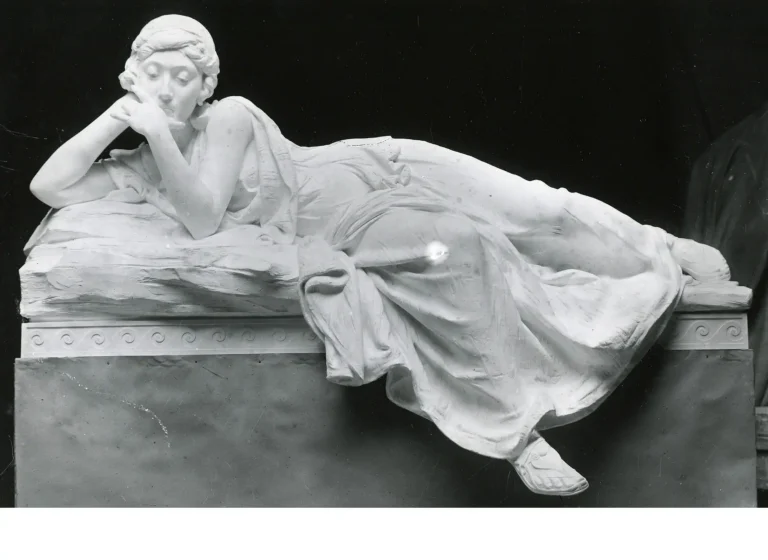
America’s first supermodel wasn’t Janice Dickinson. It was Audrey Munson, the most copied model in New York, whose life story ran under her byline in a twenty-part 1921 newspaper serial.
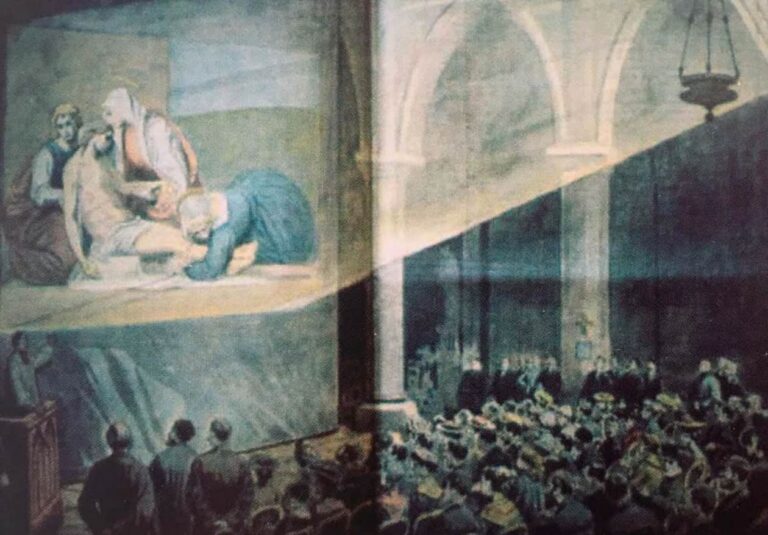
L’Ange des projections lumineuses (The Angel of Luminous Projections) was an illustrated French monthly publication devoted to teaching the Catholic faith with magic-lantern slides. These slides were made of glass and were projected using devices with lenses and an intense light source—an oil or alcohol lamp, acetylene, limelight or an electric arc. The value of…
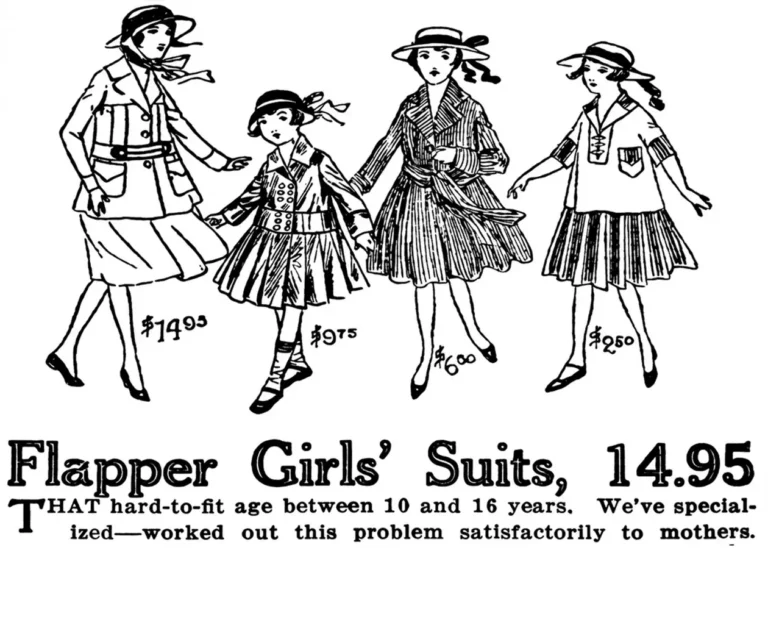
A flapper was a young woman of the 1920s who cut her hair short, raised her hemline, and refused the manners her mother was raised on. That definition holds for the later 1920s. It is not what the word meant when Americans first took it up: in 1916 a flapper was a schoolgirl, roughly twelve…
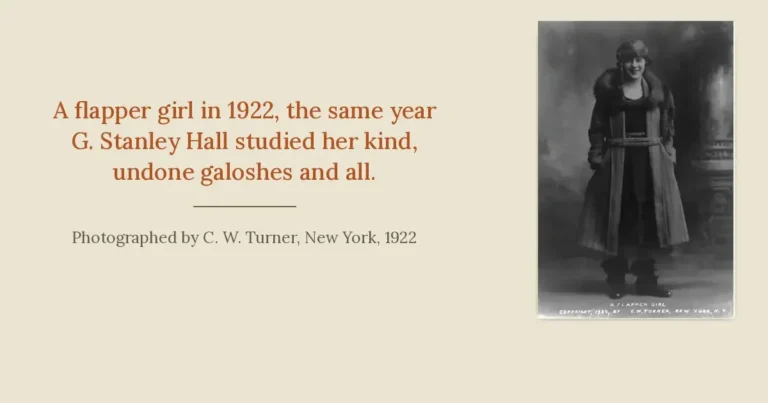
When the prominent American psychologist G. Stanley Hall died in April 1924, The New York Times remembered him days later under an unusual headline: “Dr. G. Stanley Hall Studied the Flapper’s Personality.” The article devoted substantial attention not to Hall’s place among the founders of American psychology, but to an essay of his about the…
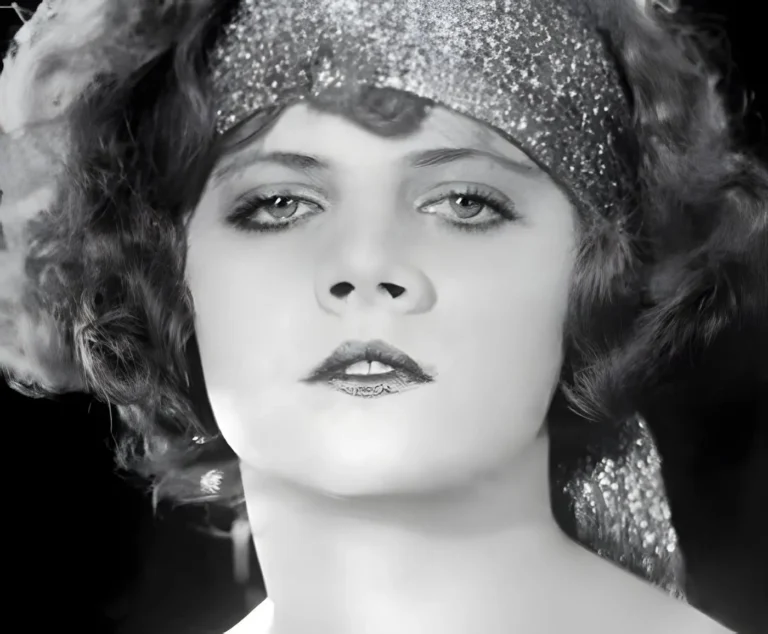
Hilda Ferguson was one of the most talked-about showgirls of the 1920s Jazz Age: a Ziegfeld Follies revue star whose fame rested as much on scandal as on her famous shimmy dance—the era’s emblem of the flapper in motion. She kept company with bootleggers and gangsters, was questioned again and again about the unsolved murder…
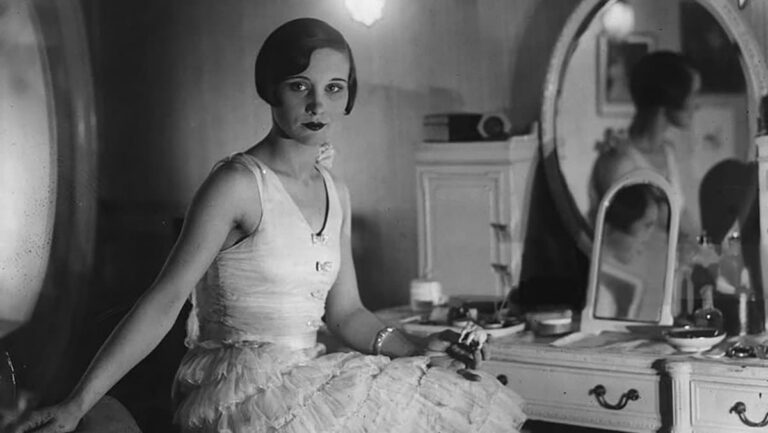
Edythe Baker (1899–1971) was an American pianist and recording artist who rose from a Kansas City music-store counter to London stardom. She was also linked to romance in high places: King Edward VIII, along with his playboy brother the Duke of Kent. And, of all people, Winston Churchill. At 19 the trade press hailed her…
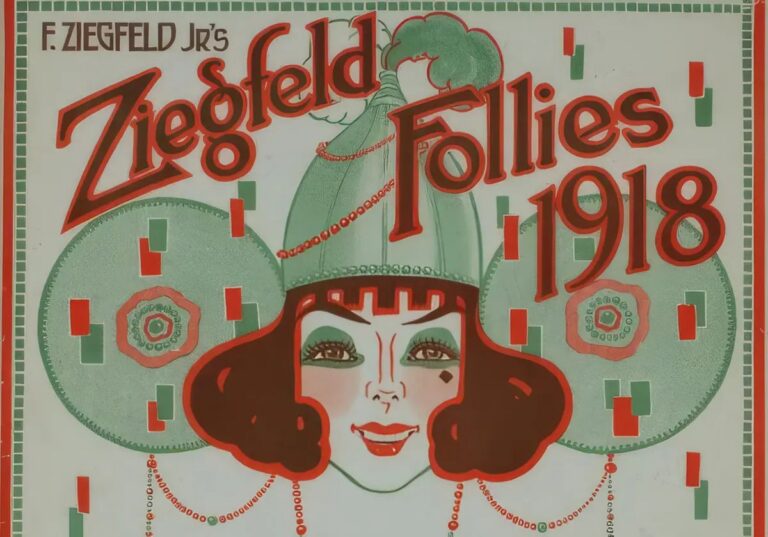
The Ziegfeld Girls were showgirls selected for Florenz Ziegfeld’s Broadway revues and promoted as ideals of American beauty, glamour, and modern womanhood. A century ago, a line of women glided languidly into the glow of the footlights on a Broadway stage. Some nearly nude, they shimmered with feathers, jewels, satin, and sequins. The audience watched…
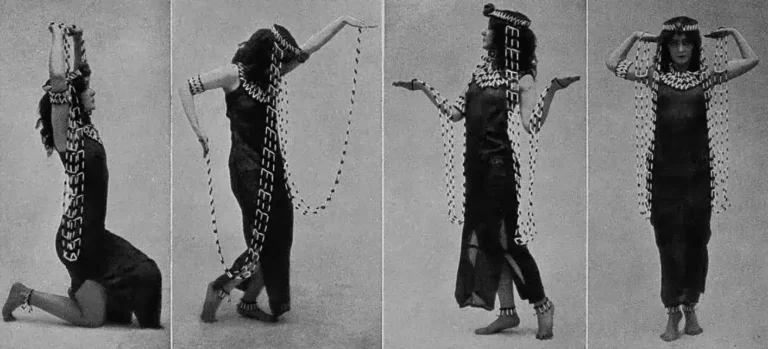
Phryné Moderne Devant l’Aréopage (Modern Phryne Before the Areopagus) Shocking Dance: About the Book This book (published ca. 1913) is a curated collection of press coverage surrounding Adorée Villany’s controversial nude dance performances in Munich and Paris between 1911 and 1913. Framed by Villany’s declaration—“My unveiled form lays my soul bare”—the volume takes its title…
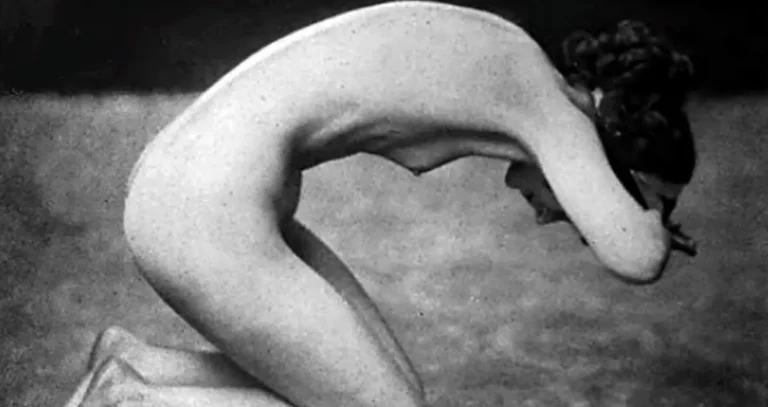
Adorée Villany: Naked Enigma Adopting the Dance of the Seven Veils Adorée Villany tested the European limits on how much skin a dancer could show on stage during the early 20th century. She also pushed the boundaries of early modern dance choreography. Most of all, she was an enigma. Adorée (or Viola) Villany was either…
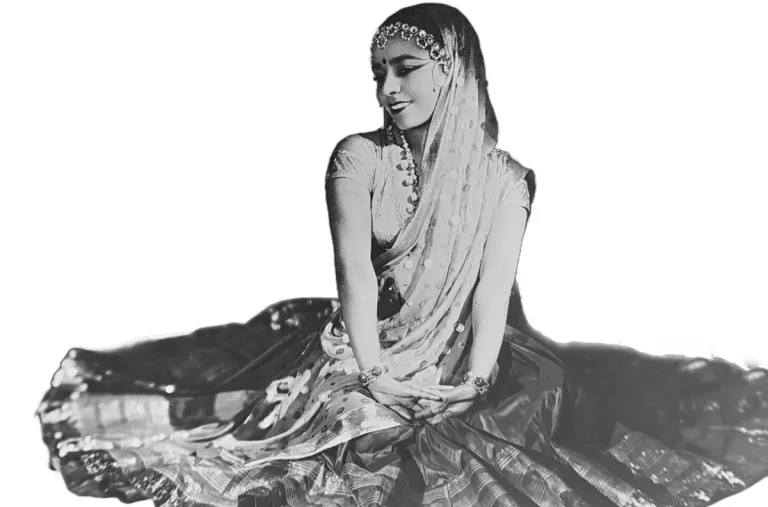
In 1922, Florenz Ziegfeld, Jr. saw Nyota Inyoka dance in Paris and announced that he would put her in the Ziegfeld Follies. He called her “mighty dark.” On August 5, 1922 , The New York Age, a leading Black newspaper, praised him for casting her without expecting her to “pass for white.” She reached New…